VR Balance — Blog
Perspectives on gender equality, technology, and change
Insights from the VR Balance project — a CERV-funded initiative using virtual reality to advance gender equity in workplaces and homes across Spain, Poland, and Lithuania.
In this issue
Six reads on equity, tech & change
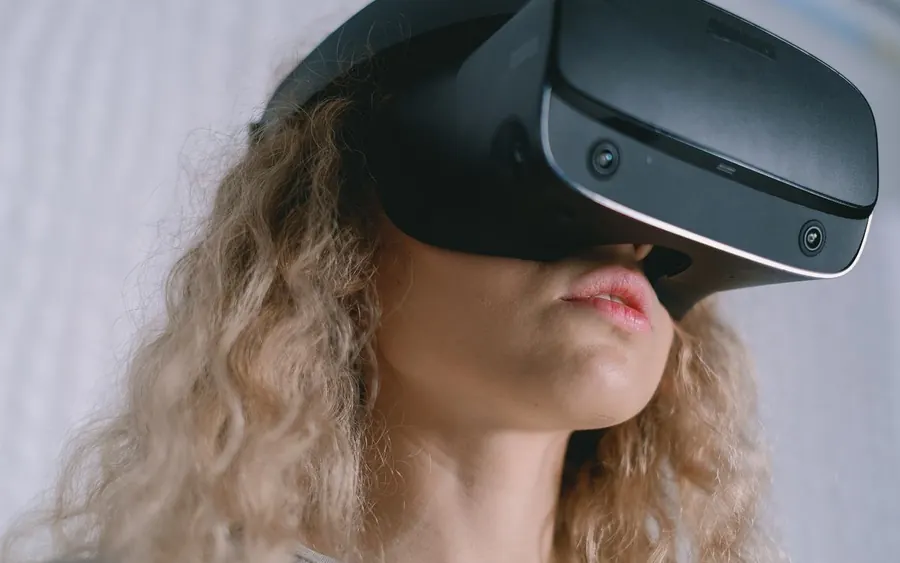 Technology & Learning 01
 Why VR creates more empathy than traditional training — and the science behind it
Gender equality training has existed for decades. So why does discrimination persist? The answer may lie not in what people learn, but in how deeply they feel it.
Read the post → Data & Context 02
 The gender care gap in Spain, Poland, and Lithuania: what the numbers tell us
Three countries. Three different histories. One persistent pattern: women carry a disproportionate share of the work that keeps families and societies functioning — and it goes largely unrecognised.
Read the post → Workplace 03
 The double workday: what it is, and why employers can no longer ignore it
For millions of working women, the end of the professional day is not a moment of rest. It is the start of a second shift — unpaid, unrecognised, and unsustainable.
Read the post →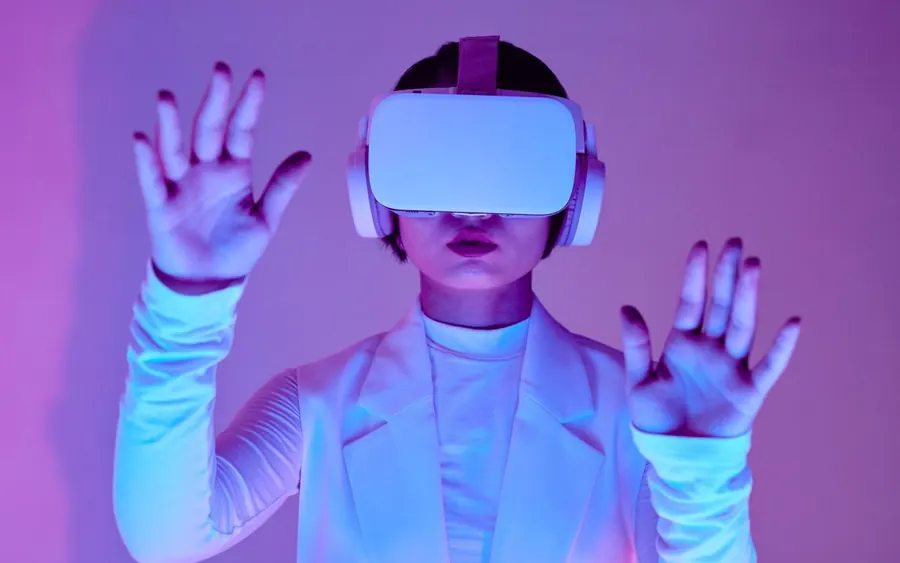 Behind the Project 04
 Behind the scenes: how we designed the six VR scenarios
Creating an immersive experience that is both emotionally resonant and pedagogically sound is harder than it looks. Here is what went into building the VR scenarios at the heart of VR Balance.
Read the post →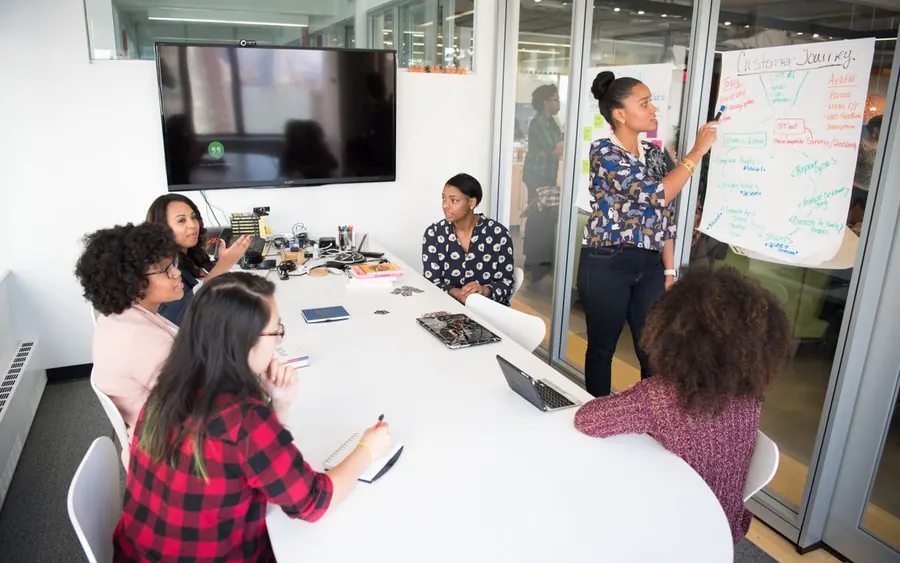 Practical Guide 05
 How to run a gender equality workshop in your company
You don't need to be an expert to start the conversation. You need the right structure, the right questions, and the willingness to sit with discomfort for a while.
Read the post →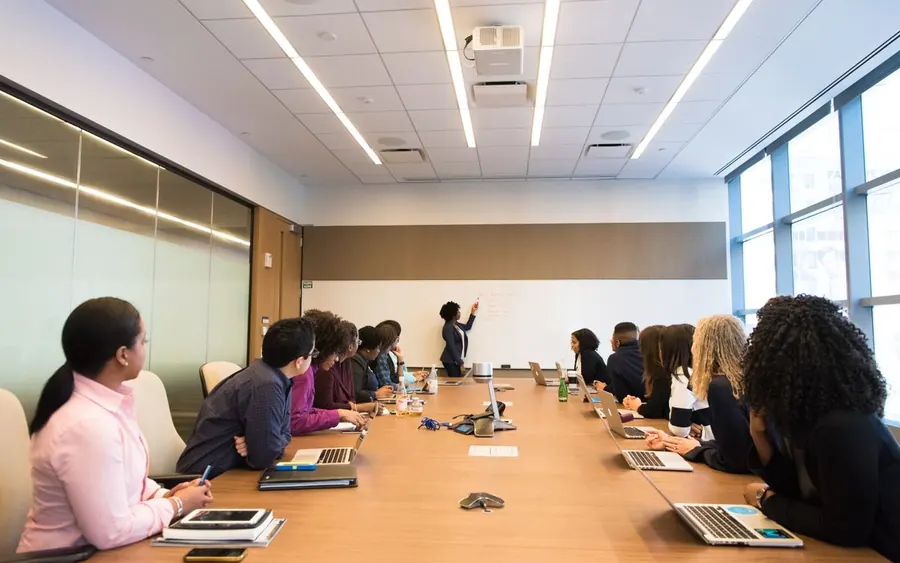 Leadership 06
 The business case for gender-inclusive leadership
Some organisations approach gender equality as a compliance requirement. The most successful ones treat it as a competitive advantage. The evidence is clear on which approach produces better results.
Read the post →Europe: Flip the Script!
The VR Balance European Conference takes place in Kaunas on 25 September 2026, 09:30–15:00 EEST (Lithuanian time, UTC+3). Online participants in CEST join at 08:30. Registration is open and participation is free.

Read more, do more
Want to bring these ideas into your organisation? Join a VR Balance workshop and experience the simulations first-hand.