| 09:30 – 10:00 | Registration and welcome coffee | Participant registration | Nemunas |
|---|
| 10:00 – 10:20 | OPENING SESSION |
|---|
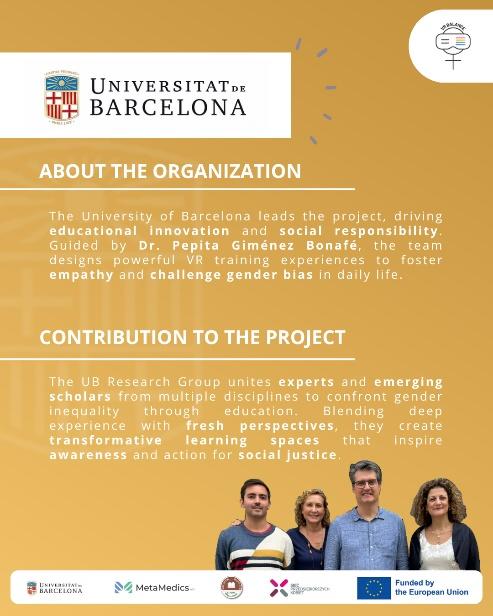
| 10:00 – 10:05 | Welcome and opening remarks | Dr Pepita Giménez-Bonafé
Associate Professor, Faculty of Medicine and Health Sciences, University of Barcelona (UB); VR Balance Project Coordinator
Spain | Nemunas |
|---|
| 10:05 – 10:20 | The Status of Women in Lithuania: Thirty Years of Progress | Dr Giedrė Purvaneckienė
Associate Professor; Adviser to the Prime Minister of Lithuania; Affiliated Researcher, Vilnius University; Chair of the Board, Women’s Information Centre
Lithuania | Nemunas |
|---|
| 10:20 – 11:15 | EXPERT PERSPECTIVES |
|---|
| 10:20 – 10:35 | Unveiling the Socioeconomic Costs of Gender Inequalities in Informal Care | Dr Jolanta Reingardė
Team leader - Research and Statistics, European Institute for Gender Equality (EIGE)
Lithuania | Nemunas |
|---|
| 10:35 – 10:50 | Unpaid Care Work as a Structural Barrier to Gender Equality in Lithuania | Dr Virginija Šidlauskienė
Senior Research Fellow, Gender Study Centre of Communication Faculty, Vilnius University
Lithuania | Nemunas |
|---|
| 10:50 – 11:05 | Gender Pay Gap in Practice: Main Findings | Vanda Juršėnienė
Expert, Gender Economy Laboratory; Affiliated Lecturer, Mykolas Romeris University; Board Member, European Women’s Lobby; former Head of the Gender Equality Division, Ministry of Social Security and Labour
Lithuania | Nemunas |
|---|
| 11:05 – 11:15 | Questions and discussion | All speakers and participants | Nemunas |
|---|
| 11:15 – 11:20 | VR BALANCE PROJECT OVERVIEW |
|---|
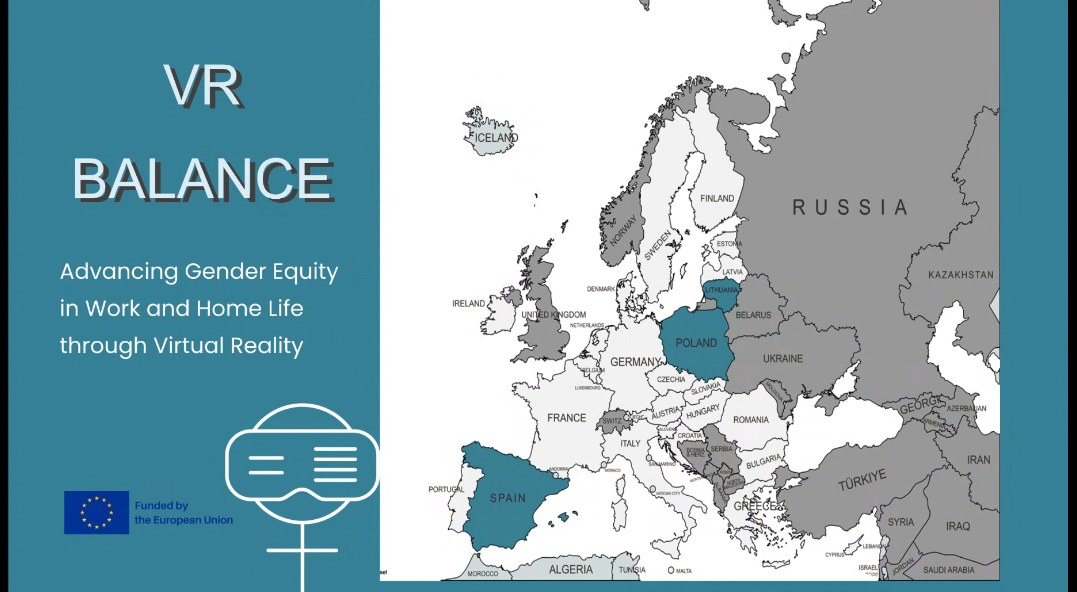
| 11:15 – 11:20 | VR Balance: Advancing Gender Equity in Work and Home Life through Virtual Reality | Dr Pepita Giménez-Bonafé
Associate Professor, Faculty of Medicine and Health Sciences, University of Barcelona (UB); VR Balance Project Coordinator
Spain | Nemunas |
|---|
| 11:20 – 11:50 | Coffee break and networking | - | Hotel foyer |
|---|
| 11:50 – 12:15 | INNOVATION, COLLABORATION AND PROJECT RESULTS |
|---|
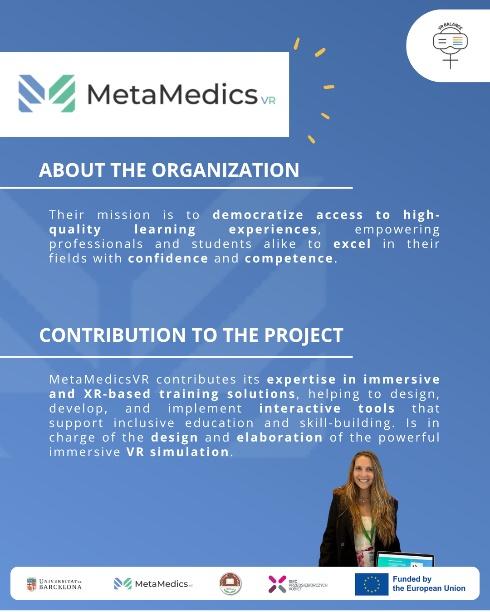
| 11:50 – 12:00 | Feeling Is Believing: Using Technology to Reconnect with Reality | Beatriz Zambrano Serrano
Co-founder, Partnerships Director and Project Manager, MetaMedicsVR
Spain | Nemunas |
|---|
| 12:00 – 12:15 | VR Balance: National Project Experiences and Results | Project partner representatives | Nemunas |
|---|
| 12:00 – 12:05 | Project Experience in Spain | Dr Pepita Giménez-Bonafé
Associate Professor, Faculty of Medicine and Health Sciences, University of Barcelona (UB); VR Balance Project Coordinator
Spain | Nemunas |
|---|
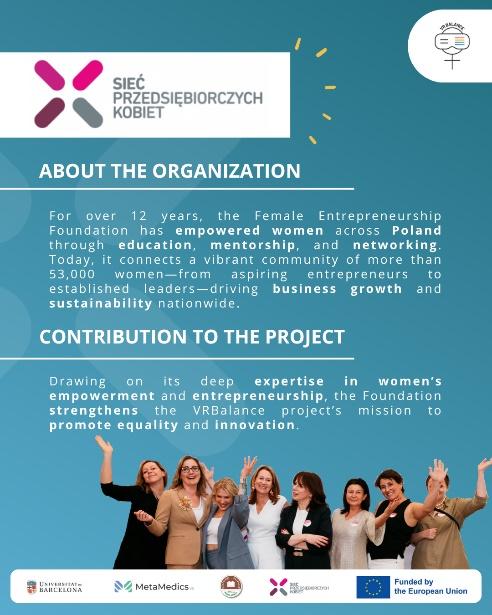
| 12:05 – 12:10 | Project Experience in Poland | Agnieszka Tomaszewska and Agata Zioło
Project Coordinator; Vice President and Director of Innovation, Women’s Entrepreneurship Foundation (WEF)
Poland | Nemunas |
|---|
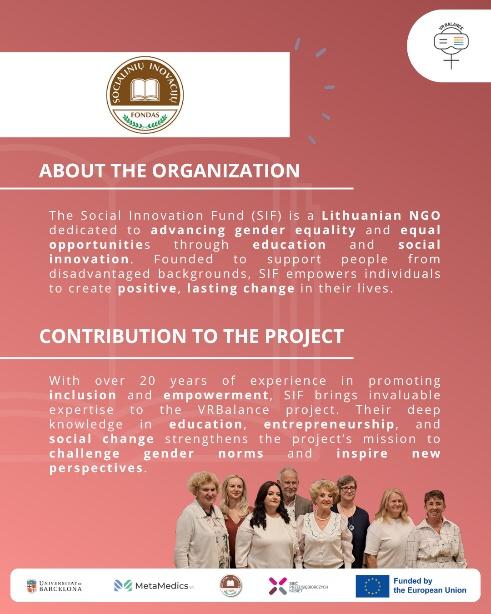
| 12:10 – 12:15 | Project Experience in Lithuania | Daiva Damulevičienė
Project Manager, Researcher and Trainer, Social Innovation Fund (SIF)
Lithuania | Nemunas |
|---|
| 12:15 – 13:05 | INTERACTIVE PARALLEL WORKSHOPS |
|---|
| 12:15 – 12:40 | Rotation 1. Group 1: Workshop 1
Unpacking Biases and Assumptions / Basic Body Awareness Therapy Session | VR Balance Facilitation Team | Nemunas |
|---|
| 12:15 – 12:40 | Rotation 1. Group 2: Workshop 2
Immersive Virtual Reality Experience | VR Balance Technical and Facilitation Team | Neris |
|---|
| 12:40 – 13:05 | Rotation 2. Group 2: Workshop 1
Unpacking Biases and Assumptions / Basic Body Awareness Therapy Session | VR Balance Facilitation Team | Nemunas |
|---|
| 12:40 – 13:05 | Rotation 2. Group 1: Workshop 2
Immersive Virtual Reality Experience | VR Balance Technical and Facilitation Team | Neris |
|---|
| 13:05 – 14:00 | Lunch and networking | - | Hotel restaurant |
|---|
| 14:00 – 14:45 | PANEL DISCUSSION |
|---|
| 14:00 – 14:45 | From Evidence to Action: Advancing Gender Equality at Work and at Home across Europe
Discussion focus:
Progress and remaining gender equality challenges in Lithuania, Poland, Spain and the European Union
The socioeconomic value of care and the fair sharing of unpaid care responsibilities
Gender pay gaps, workplace barriers and stronger implementation of equality policies
How immersive VR and cross-sector cooperation can turn evidence into practical change | Chair: Audronė Kisielienė
Director, Social Innovation Fund (SIF) - Lithuania
Panelists:
Dr Pepita Giménez-Bonafé - VR Balance Project Coordinator, University of Barcelona (UB) - Spain
Vanda Juršėnienė - Gender Economy Laboratory; Mykolas Romeris University; European Women’s Lobby - Lithuania
Andrés Marchant Mellado, MSc - Physiotherapist and predoctoral researcher, University of Barcelona (UB) - Spain
Dr Giedrė Purvaneckienė - Adviser to the Prime Minister of Lithuania; Vilnius University - Lithuania
Dr Jolanta Reingardė -Team leader - Research and Statistics, European Institute for Gender Equality (EIGE)
Dr Virginija Šidlauskienė - Senior Research Fellow, Vilnius University - Lithuania
Agnieszka Tomaszewska and/or Agata Zioło - Women’s Entrepreneurship Foundation (WEF) - Poland | Nemunas |
|---|
| 14:45 – 15:00 | Closing remarks and next steps | Audronė Kisielienė
Director, Social Innovation Fund (SIF)
Lithuania | Nemunas |
|---|




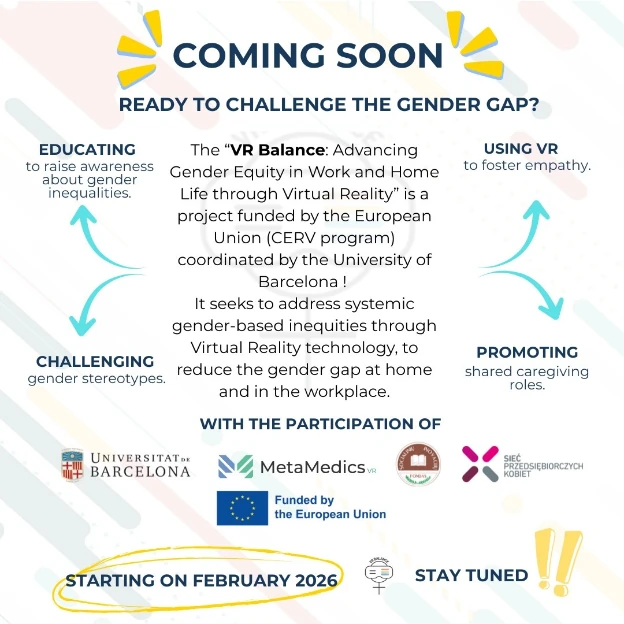
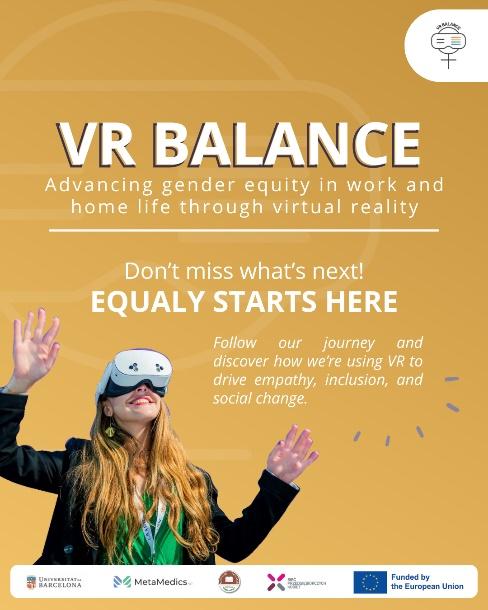
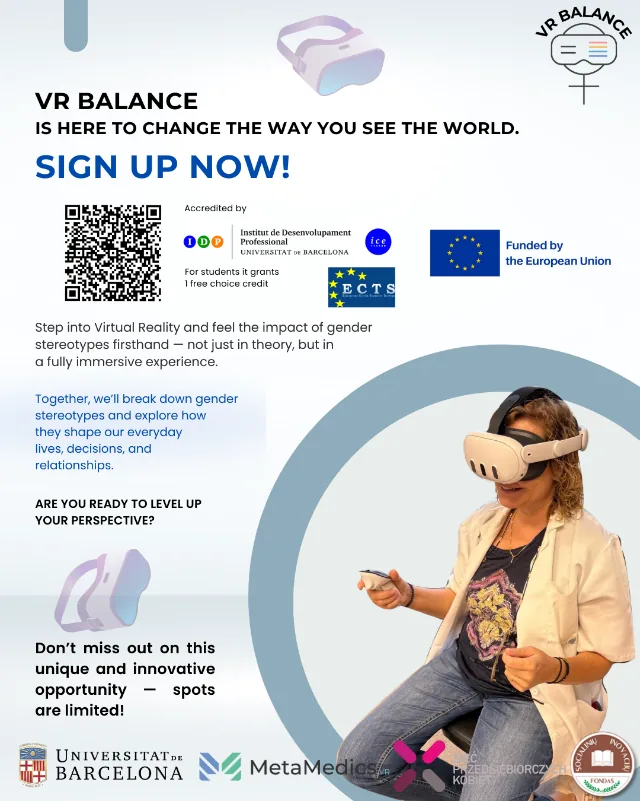
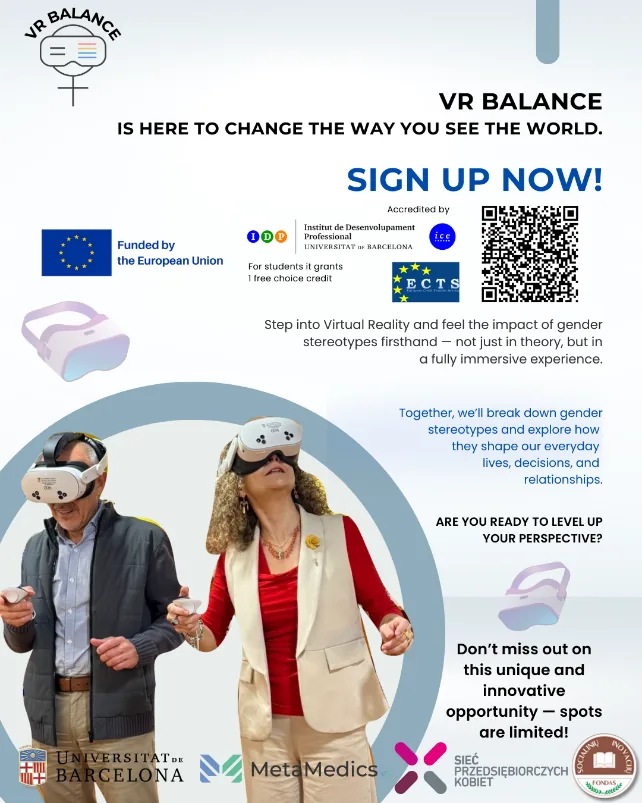
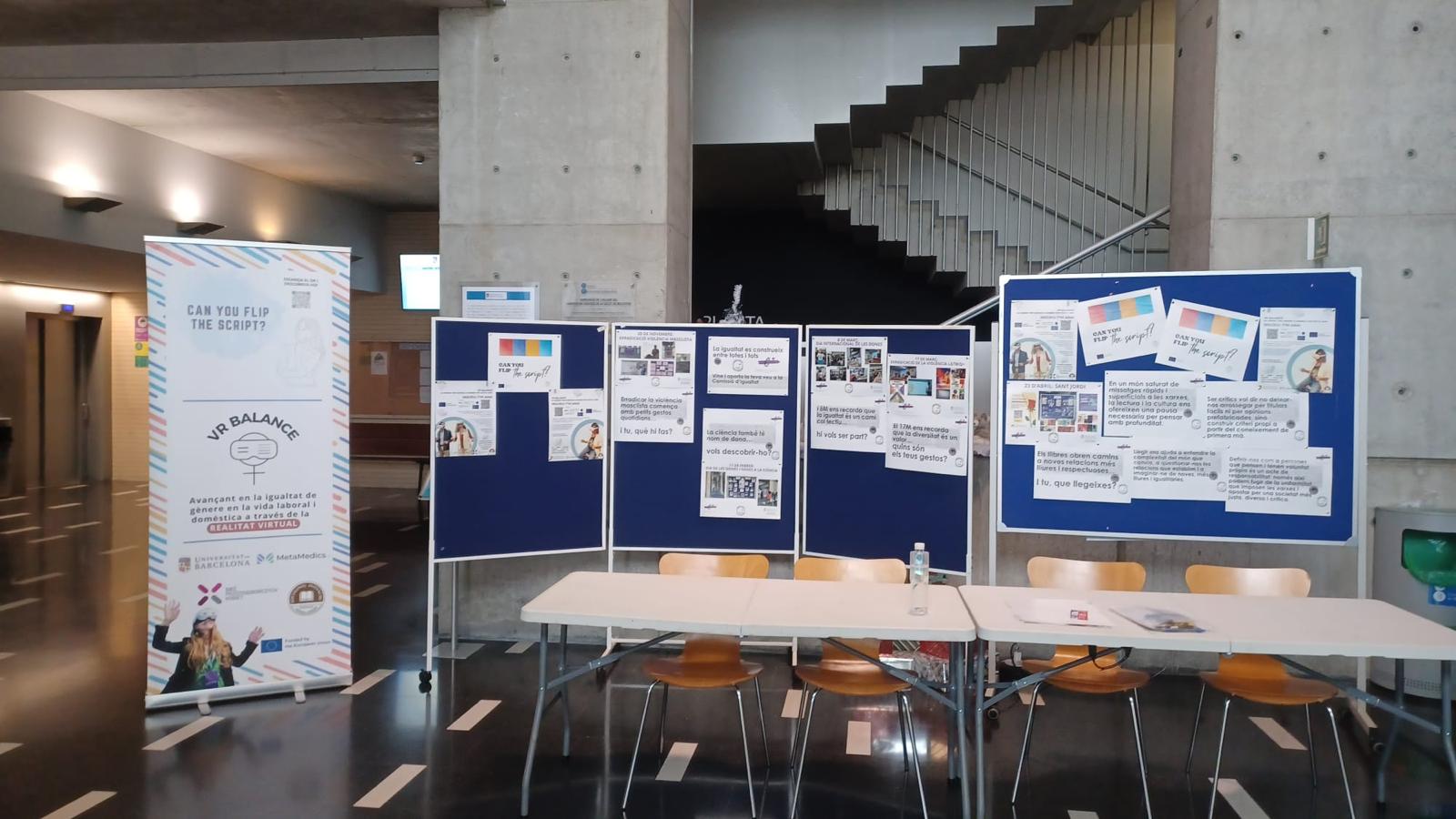
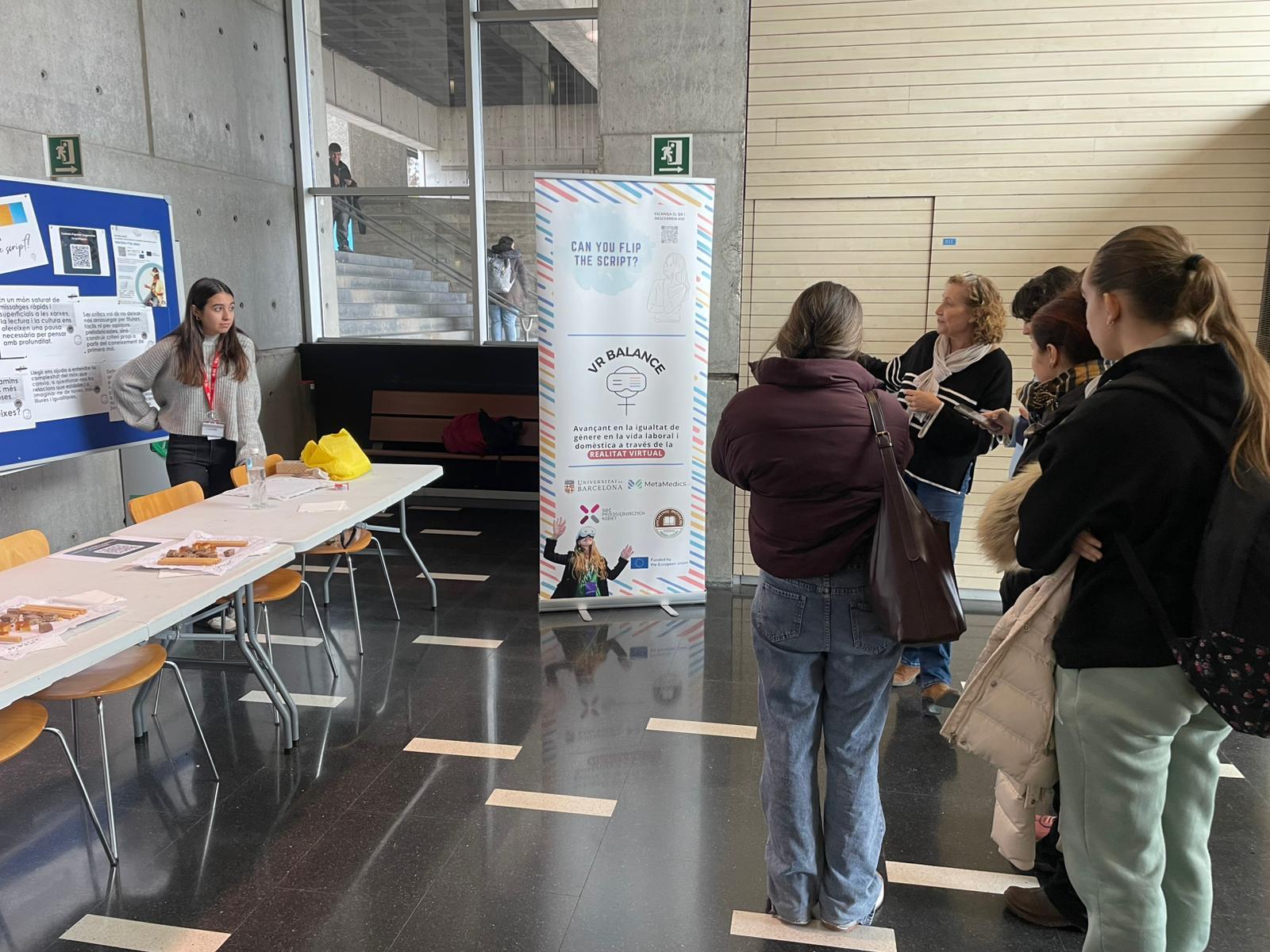
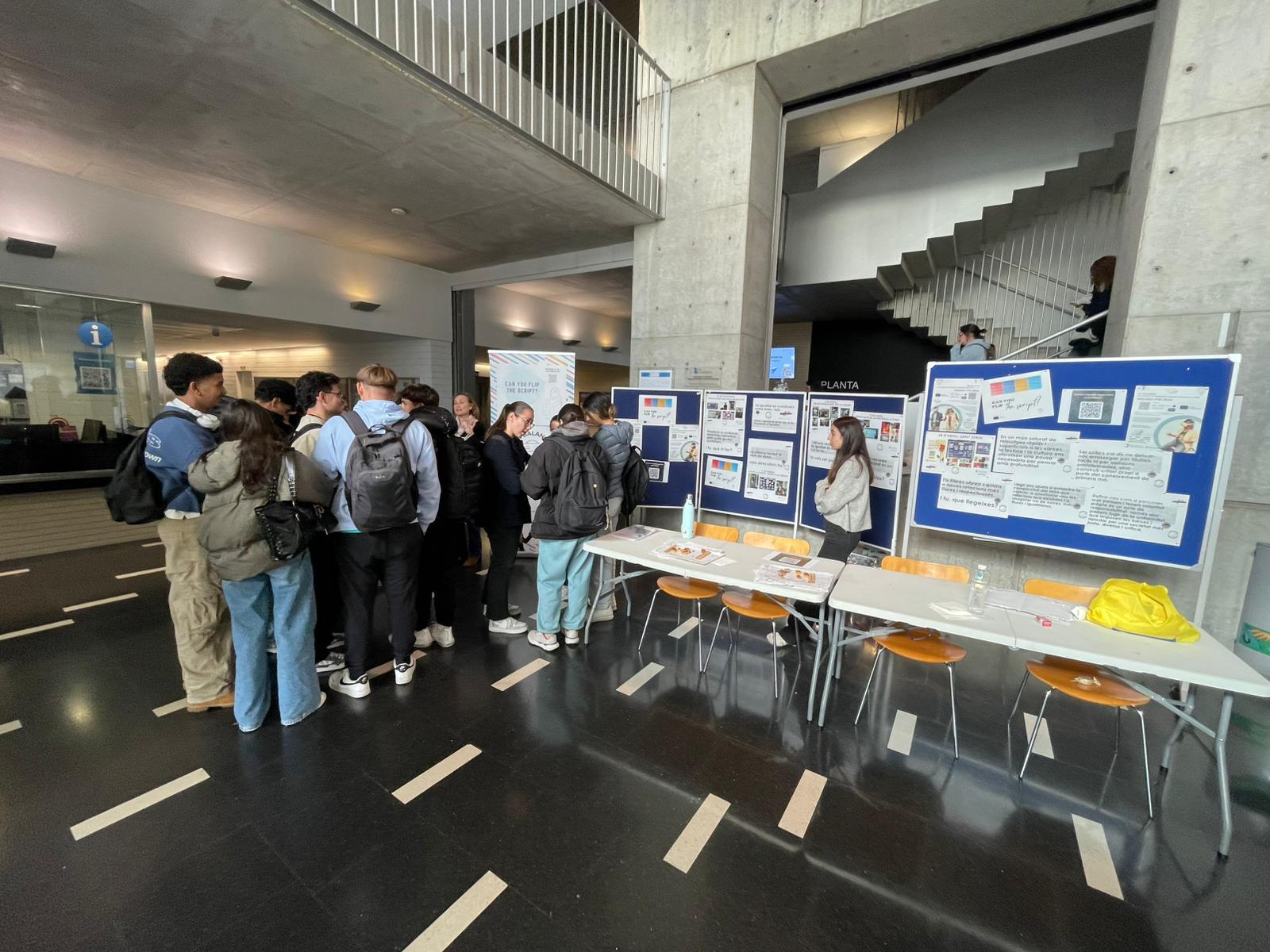
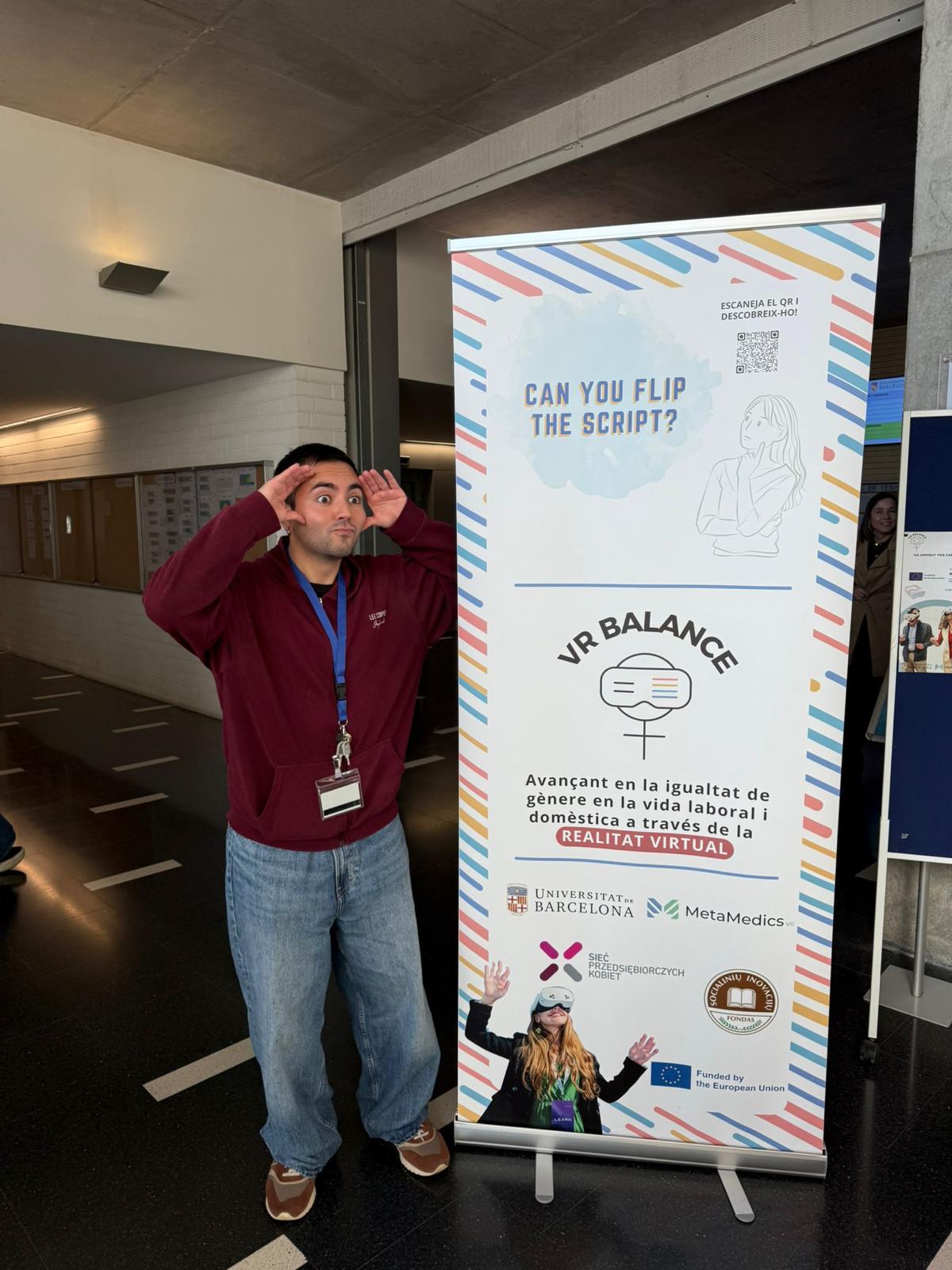
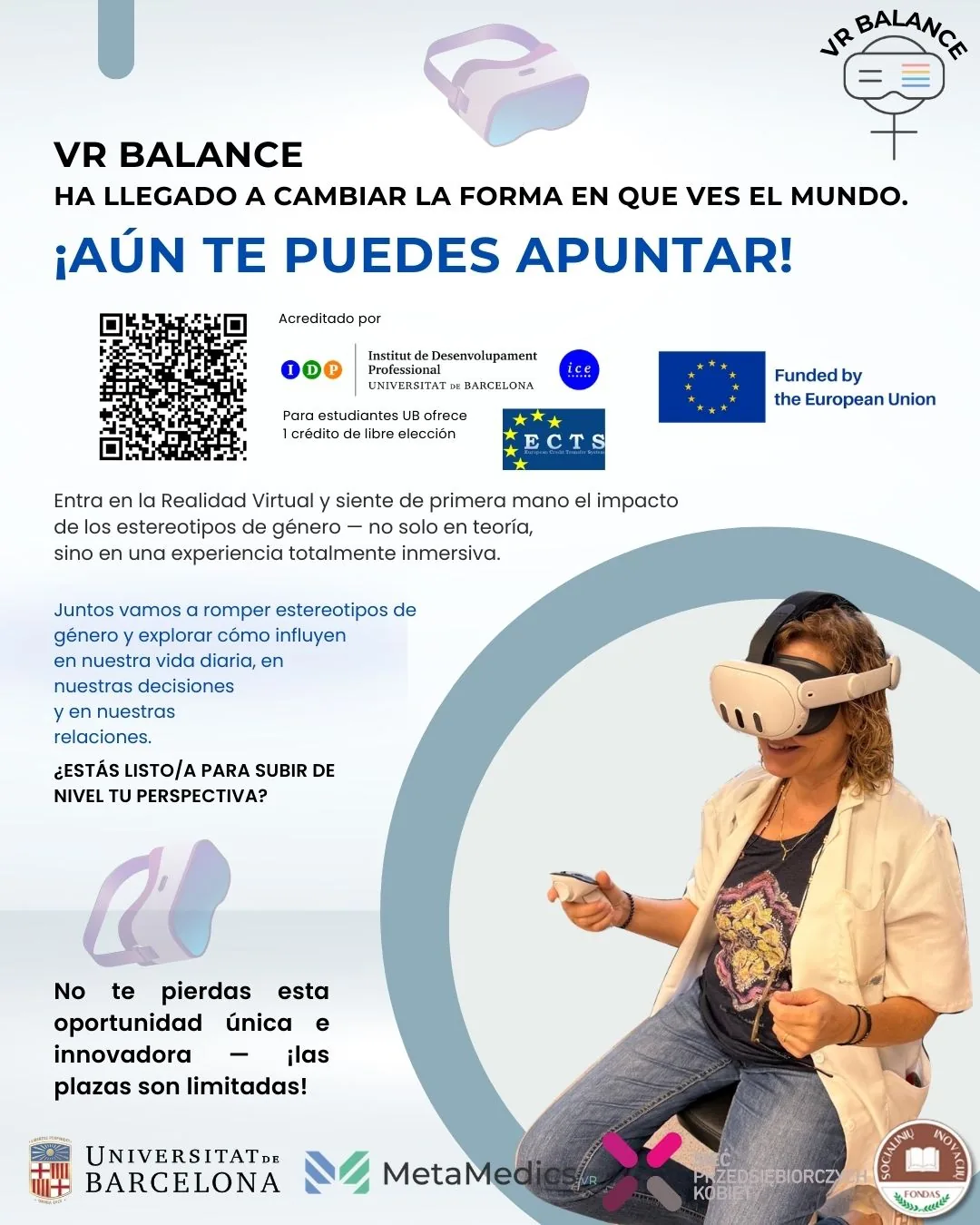
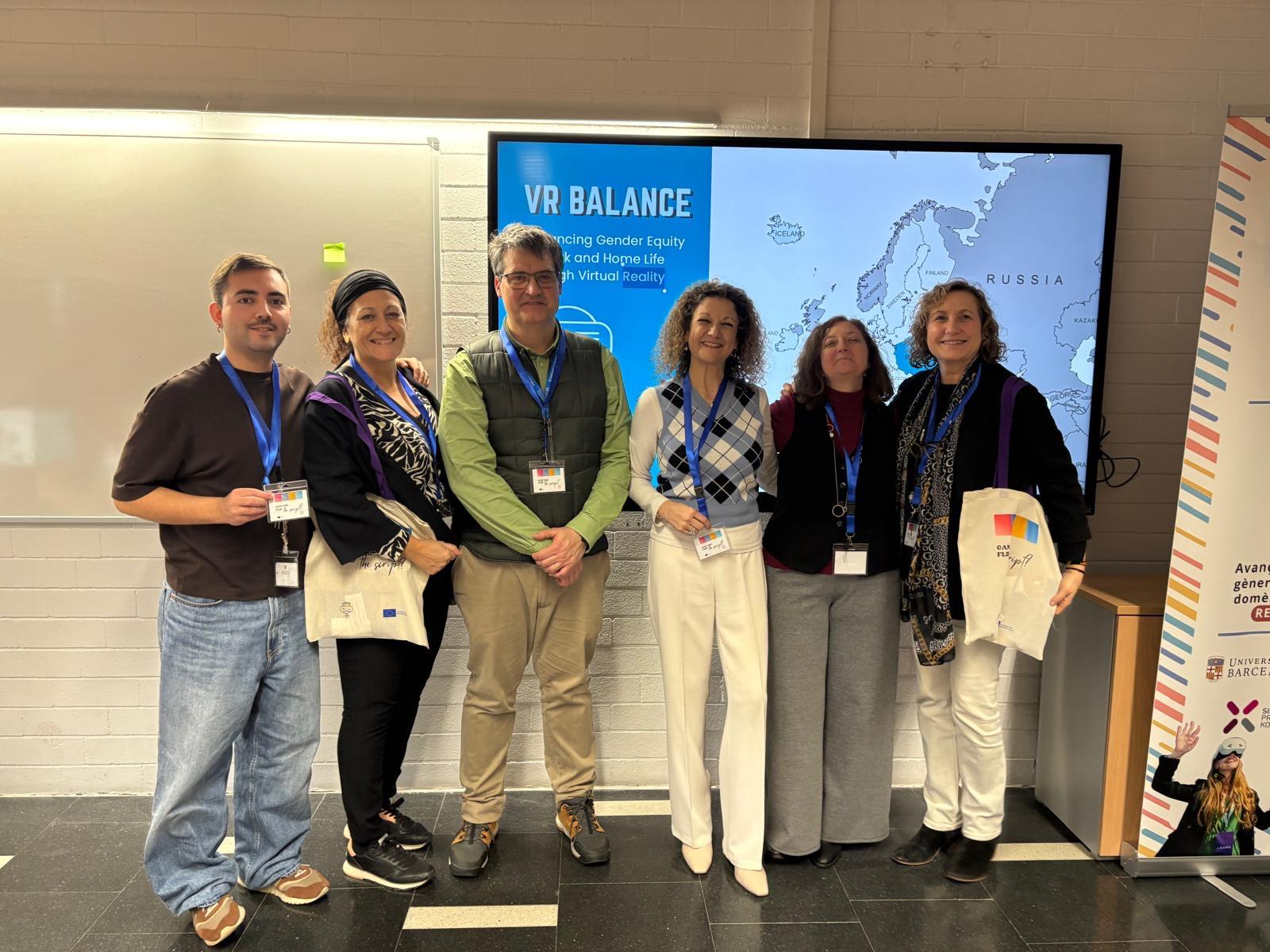
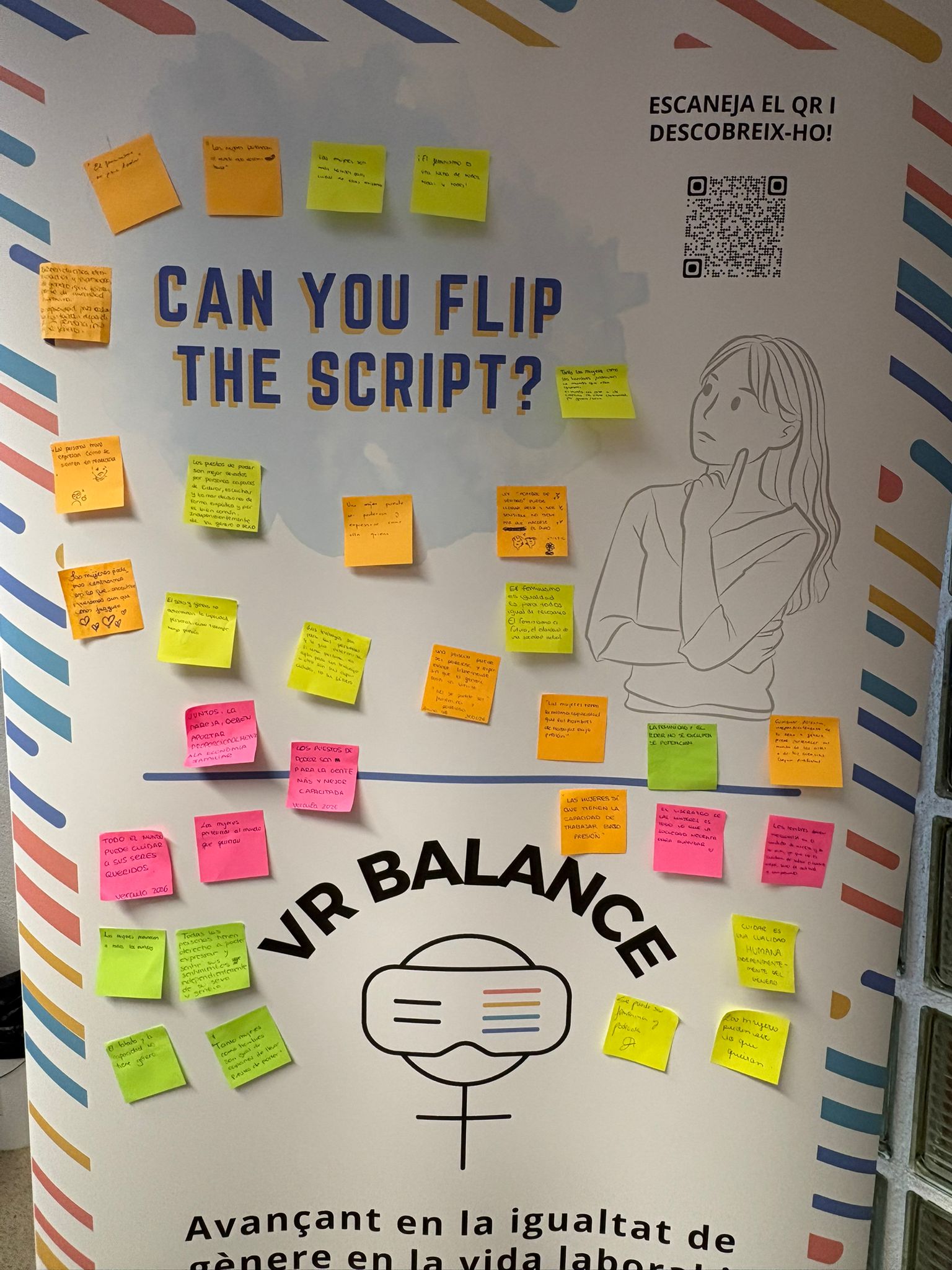
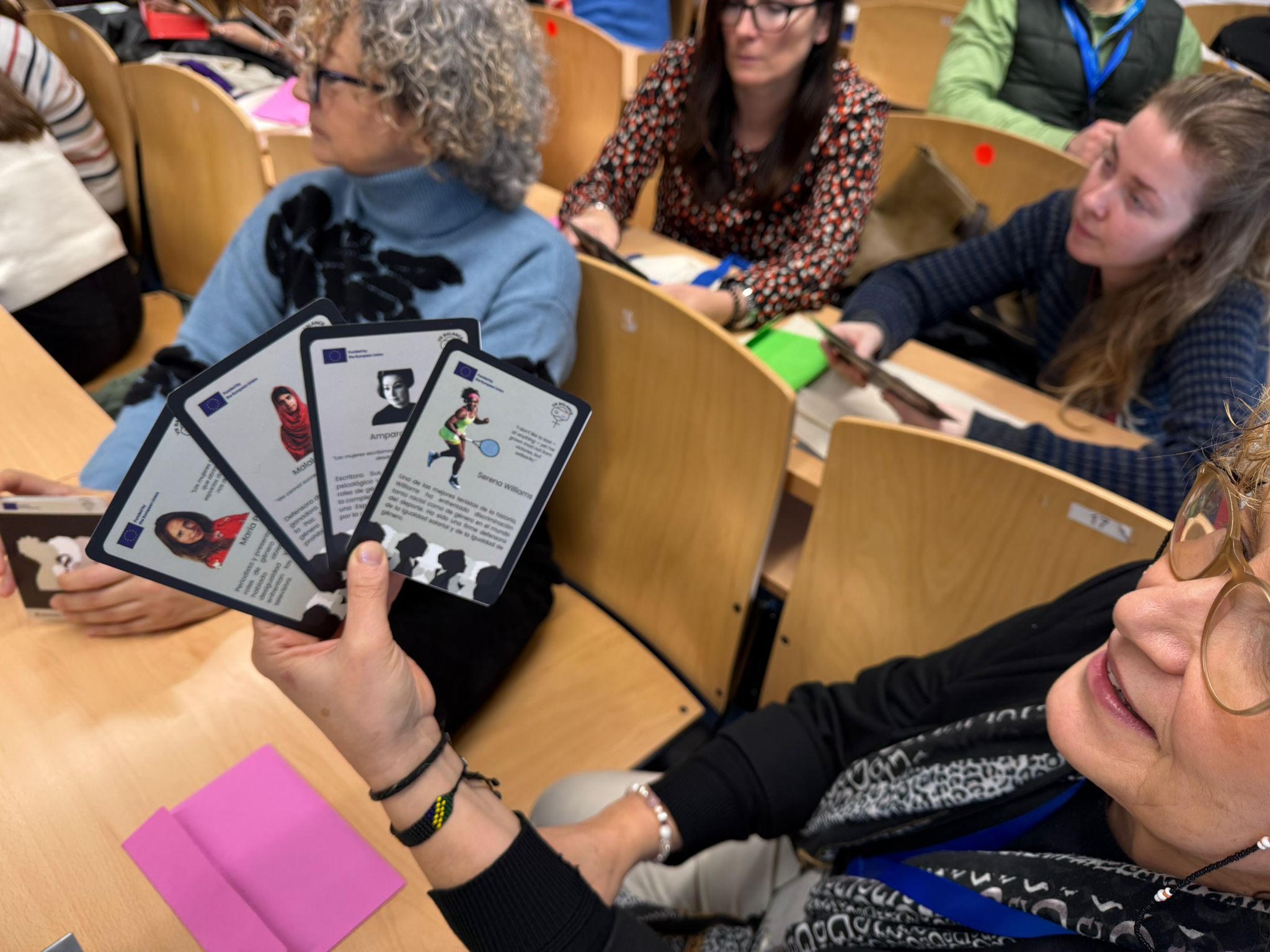
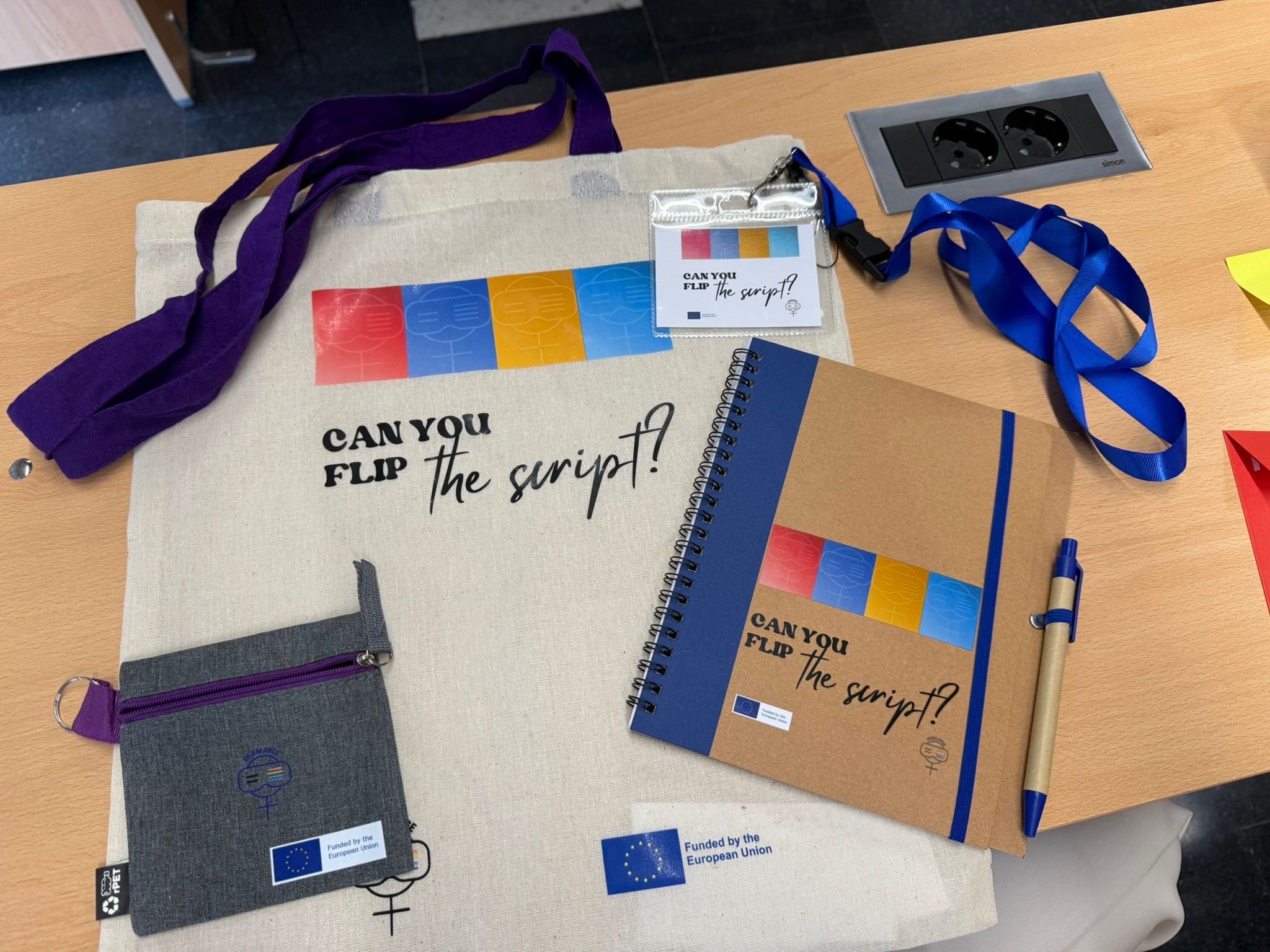
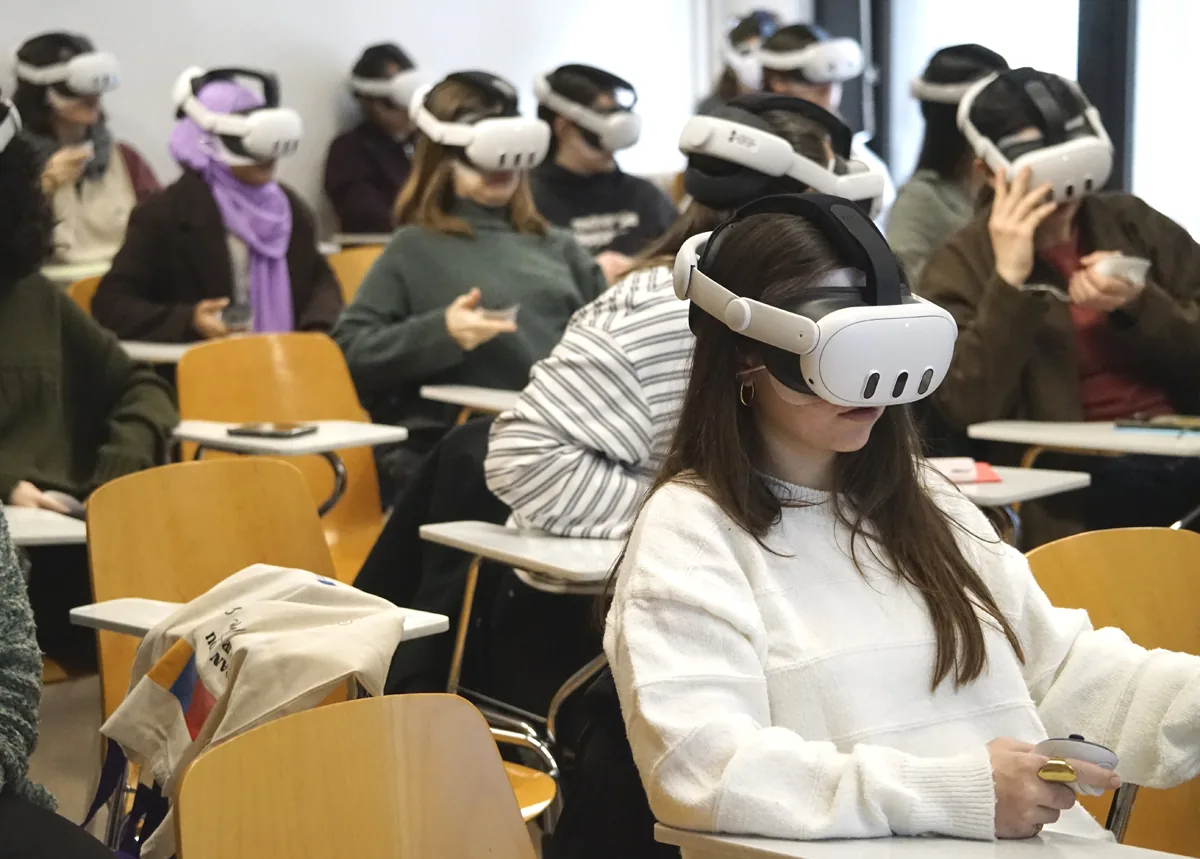
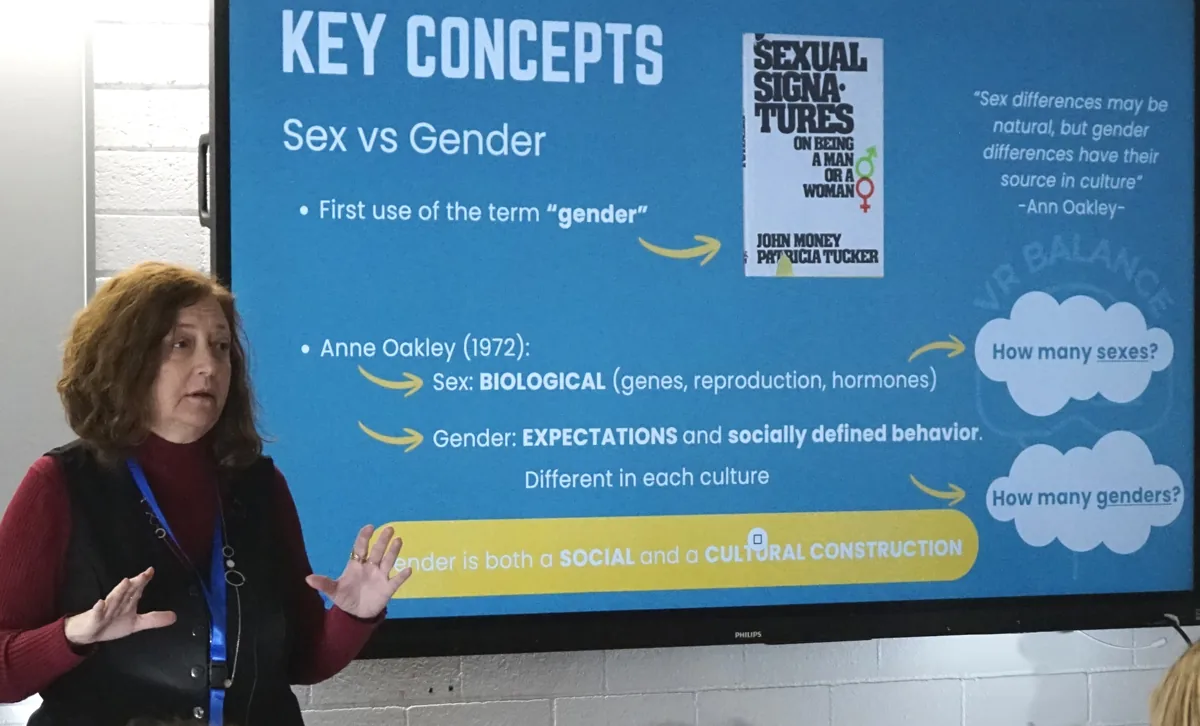
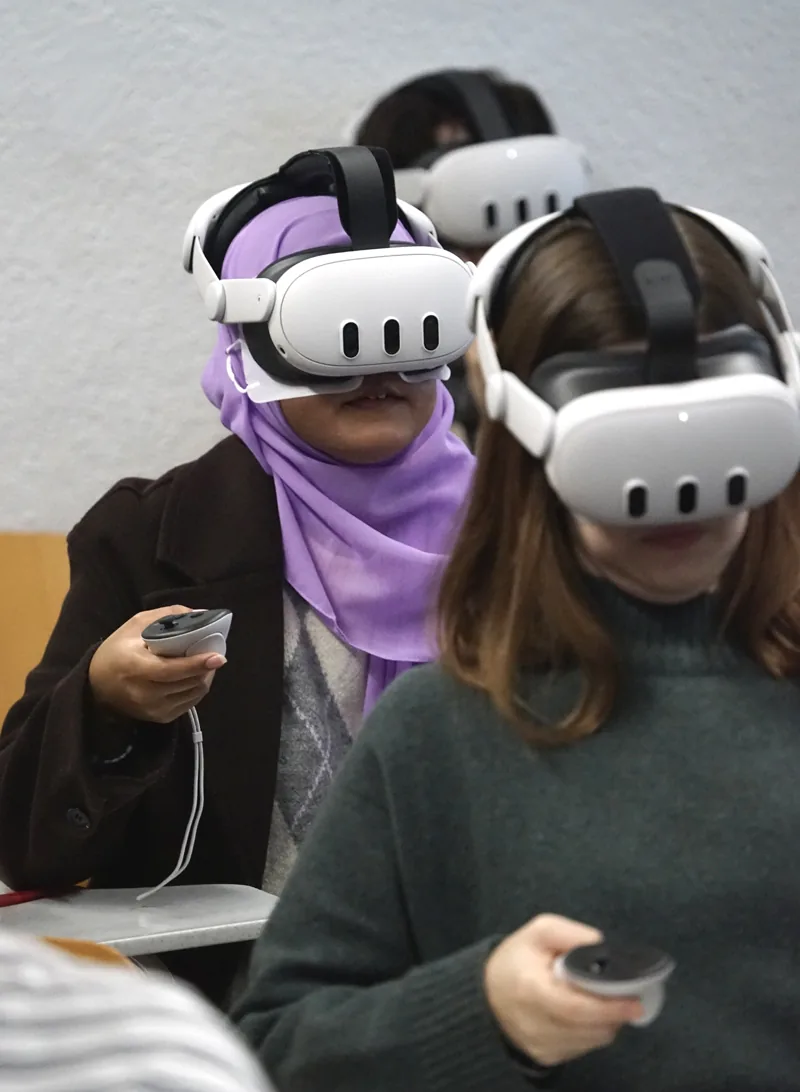
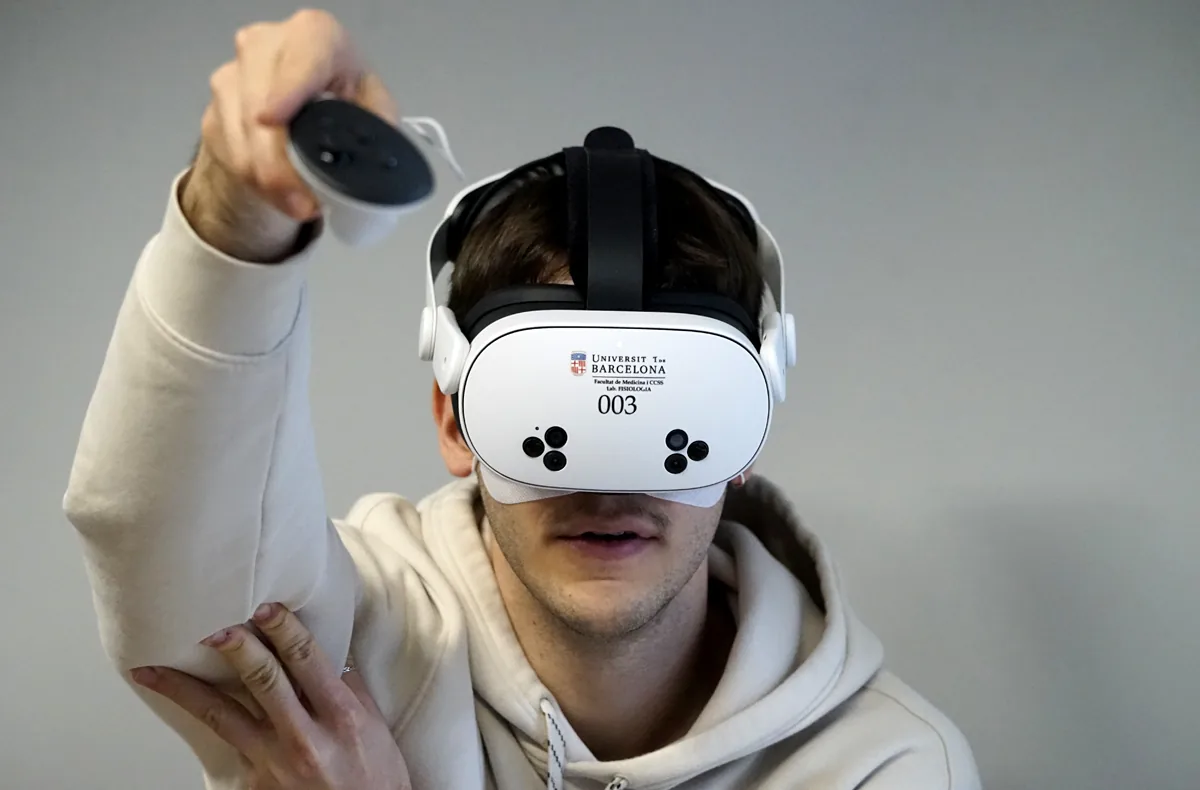
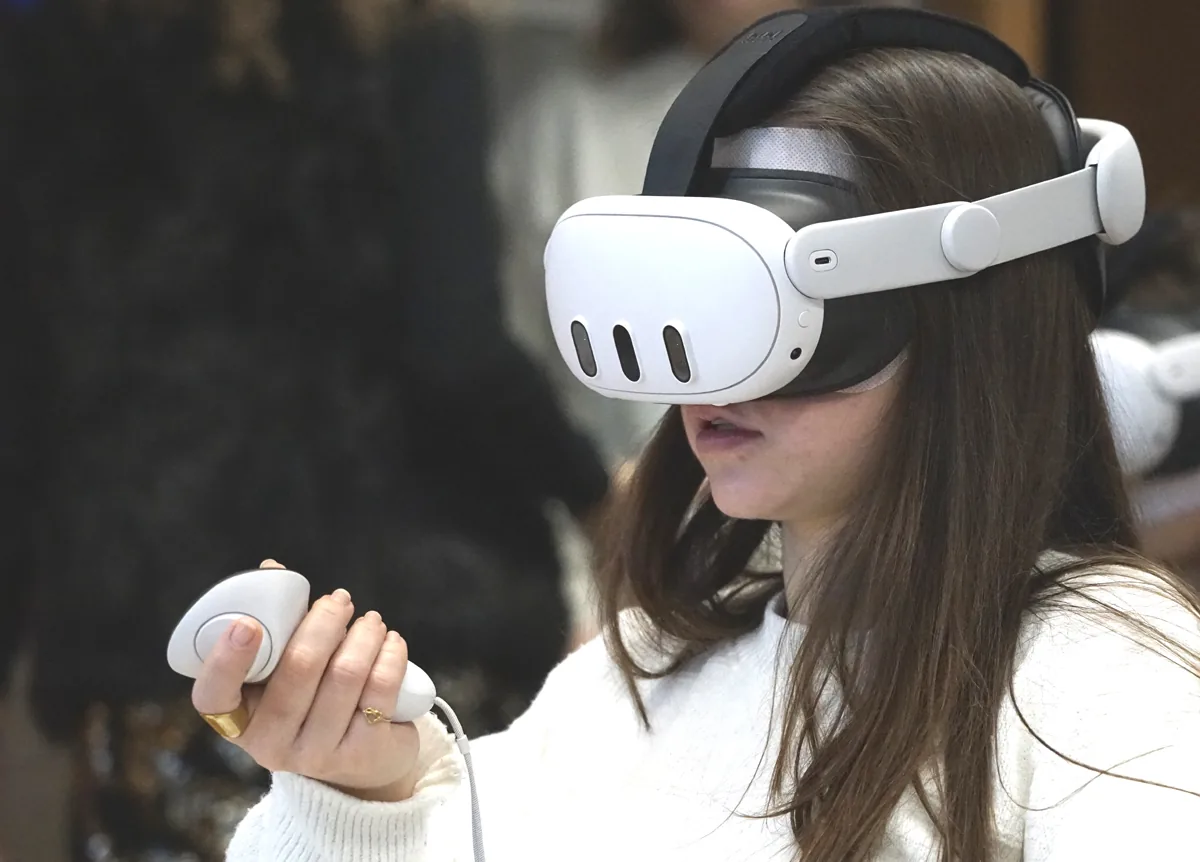
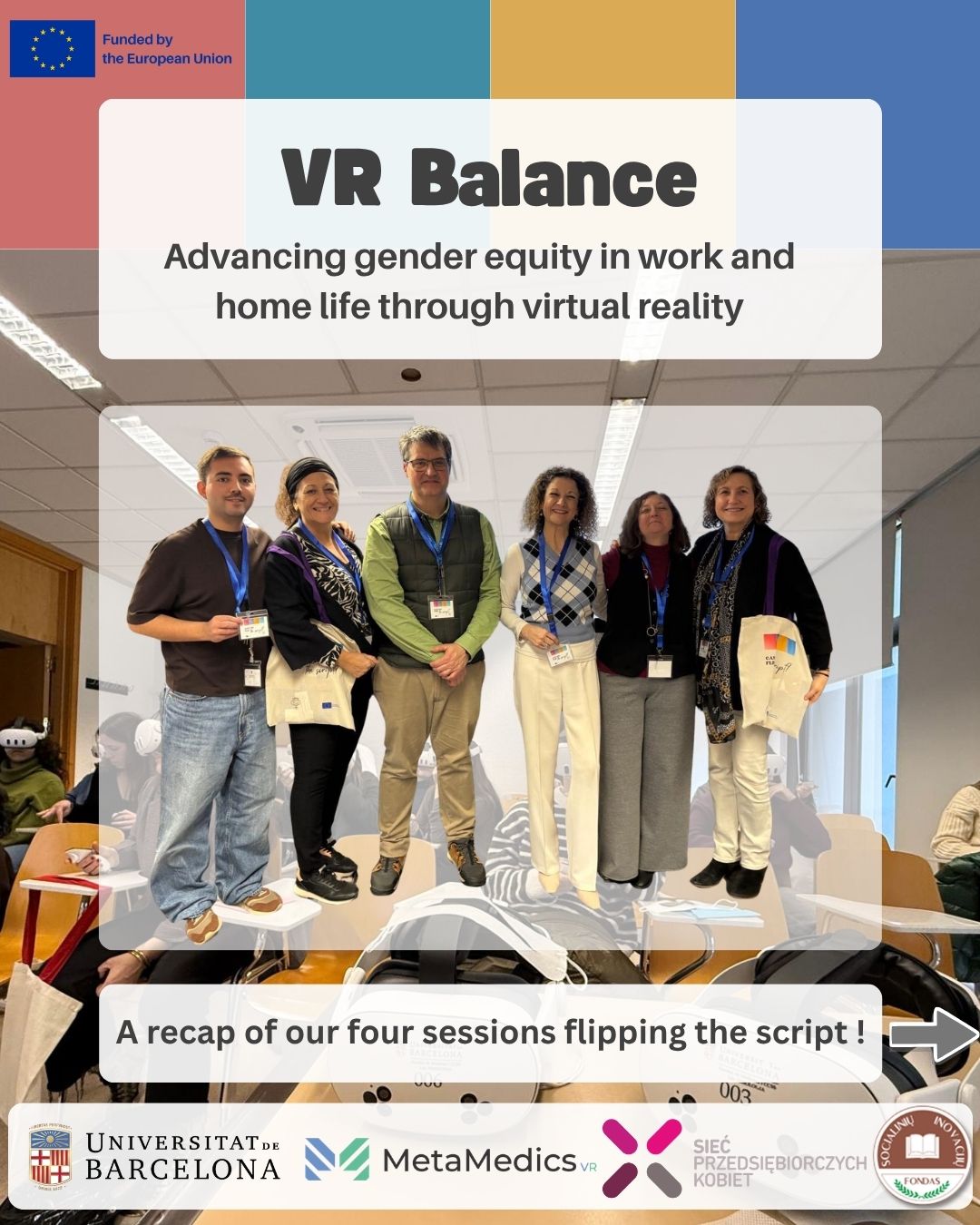
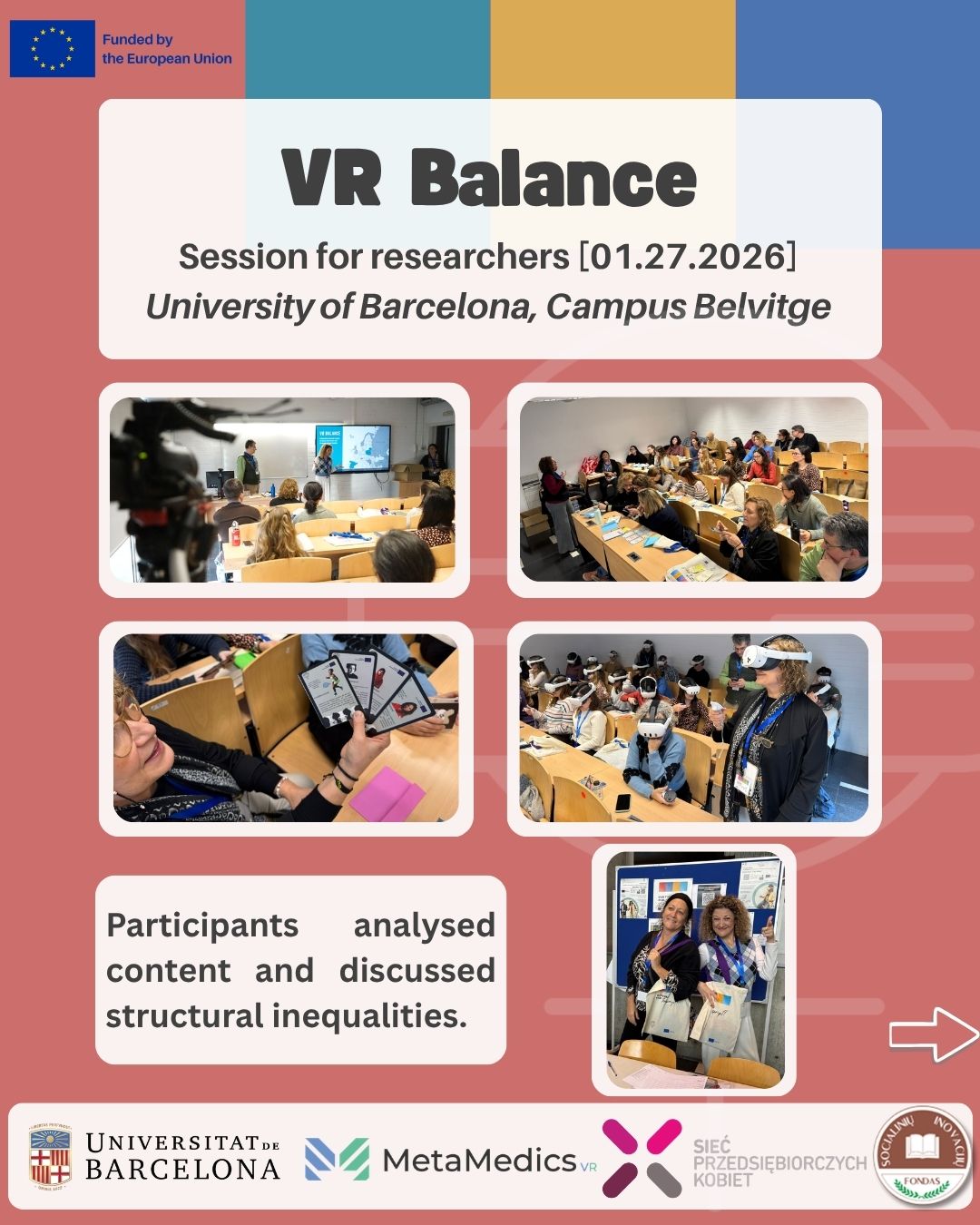
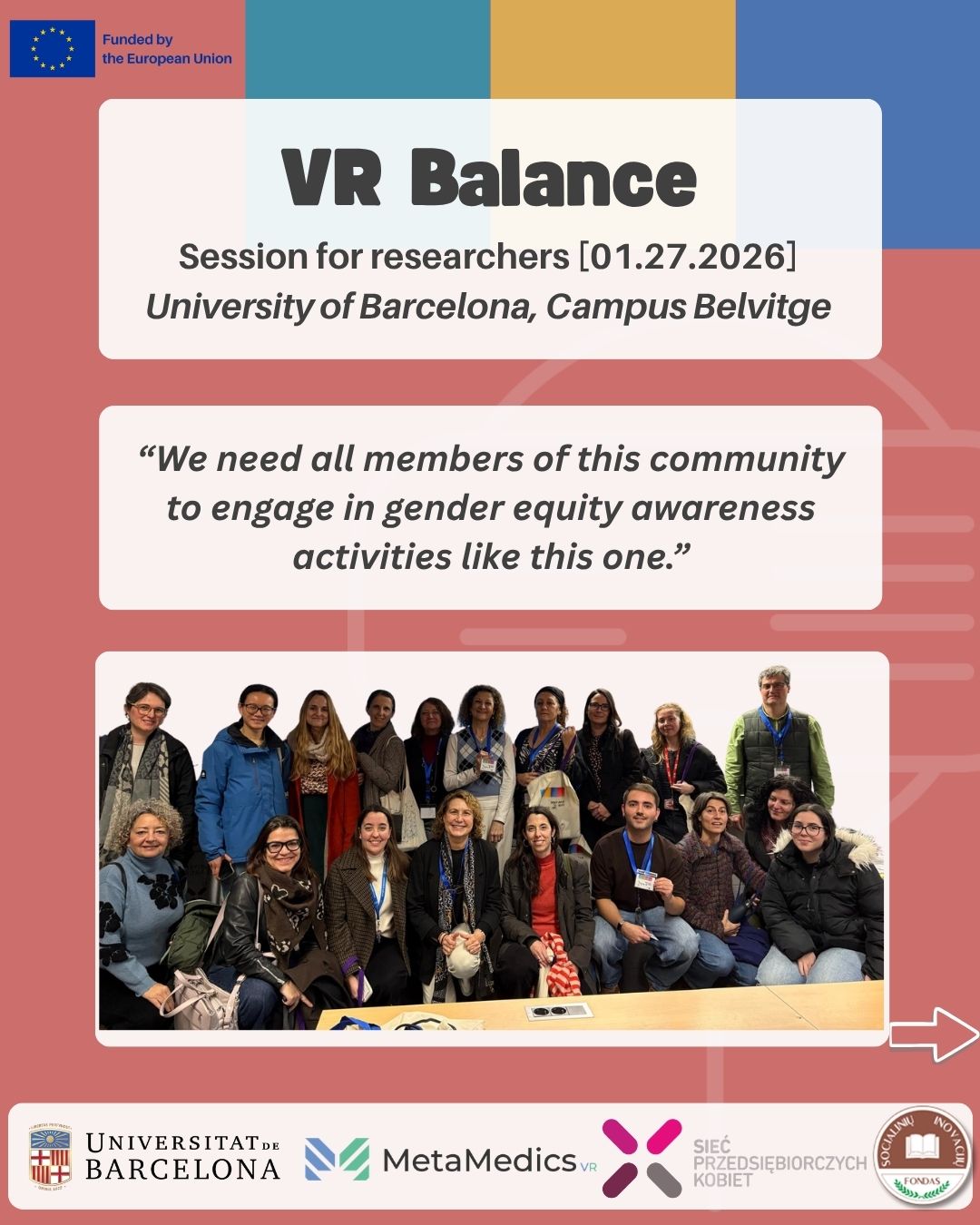
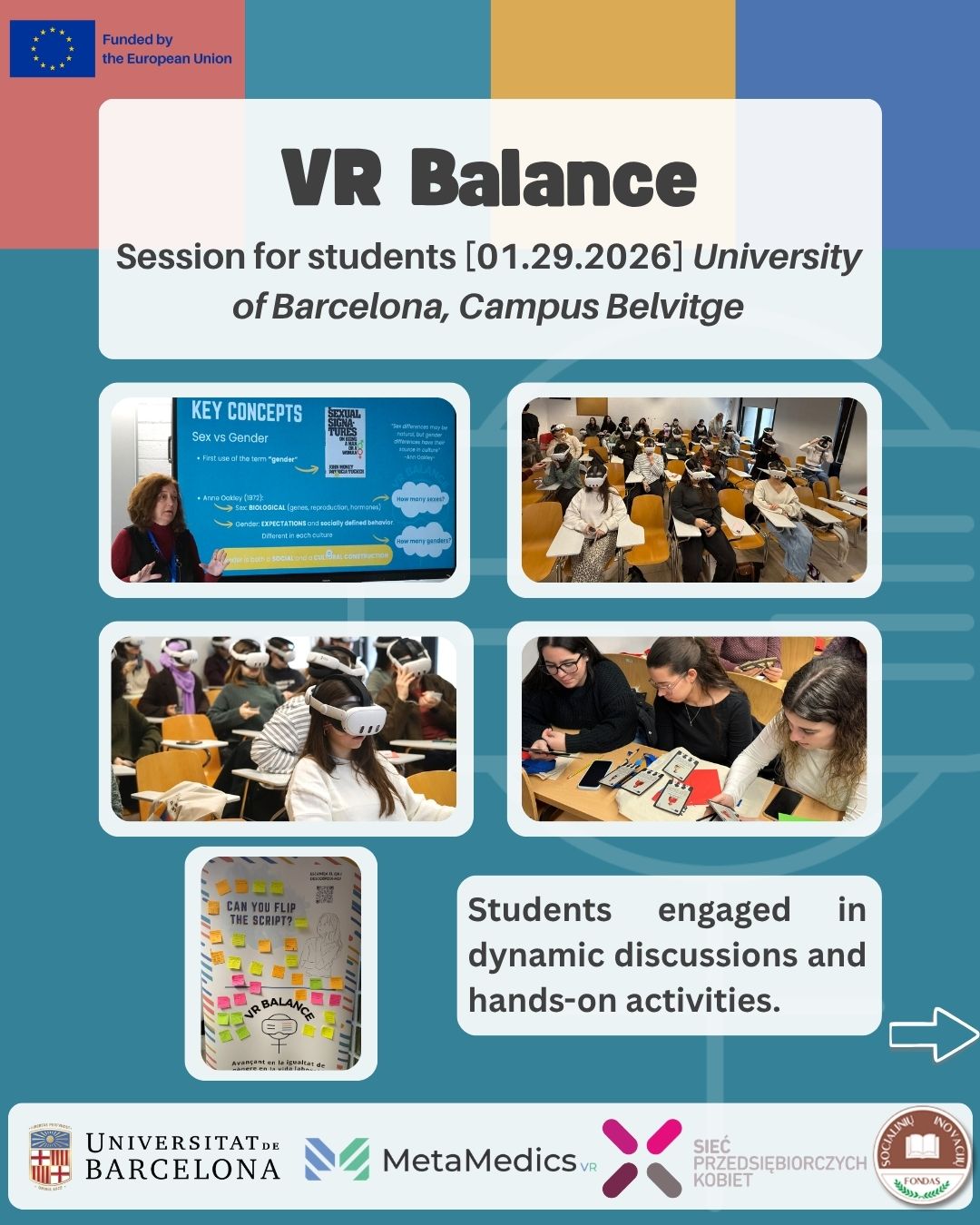
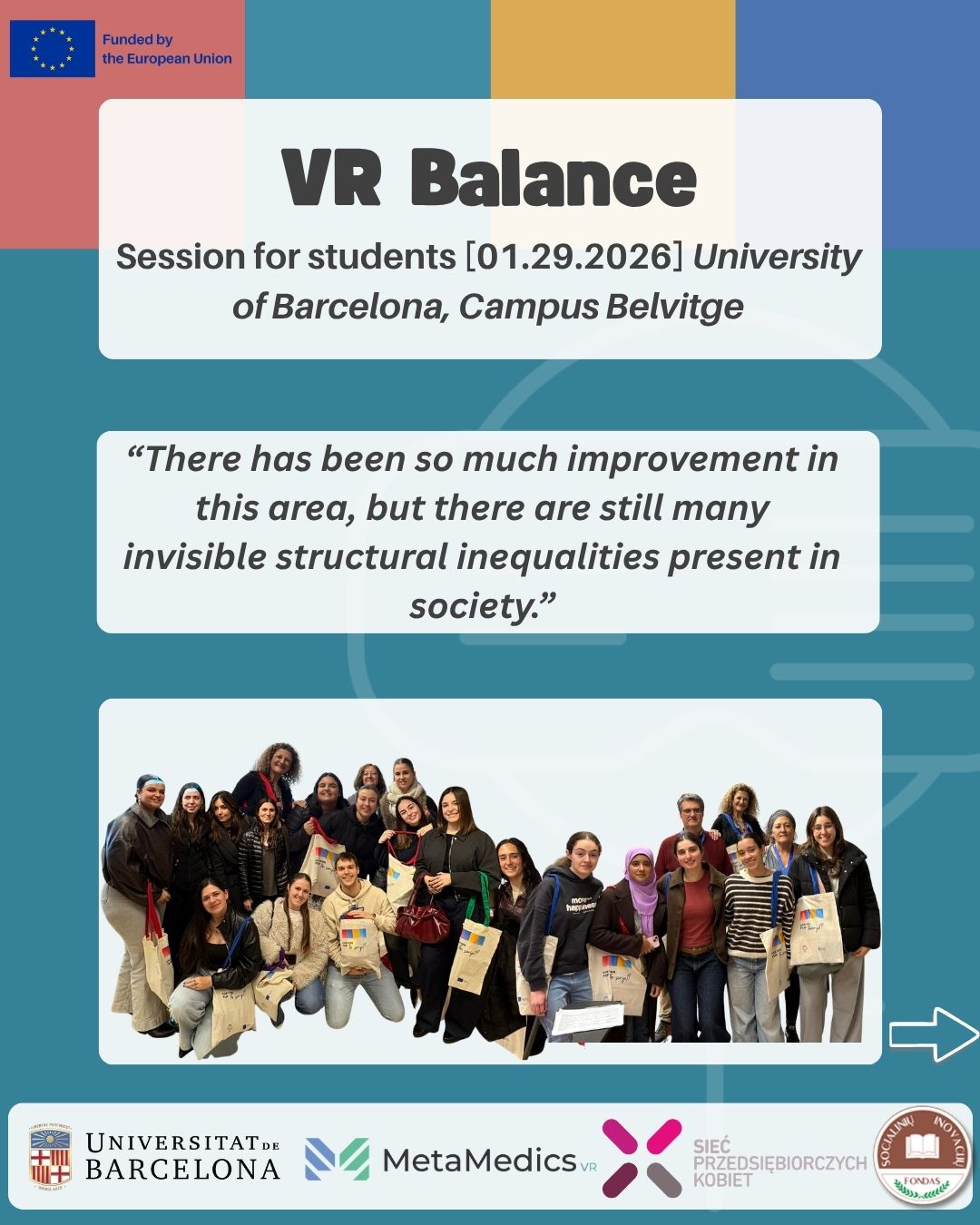
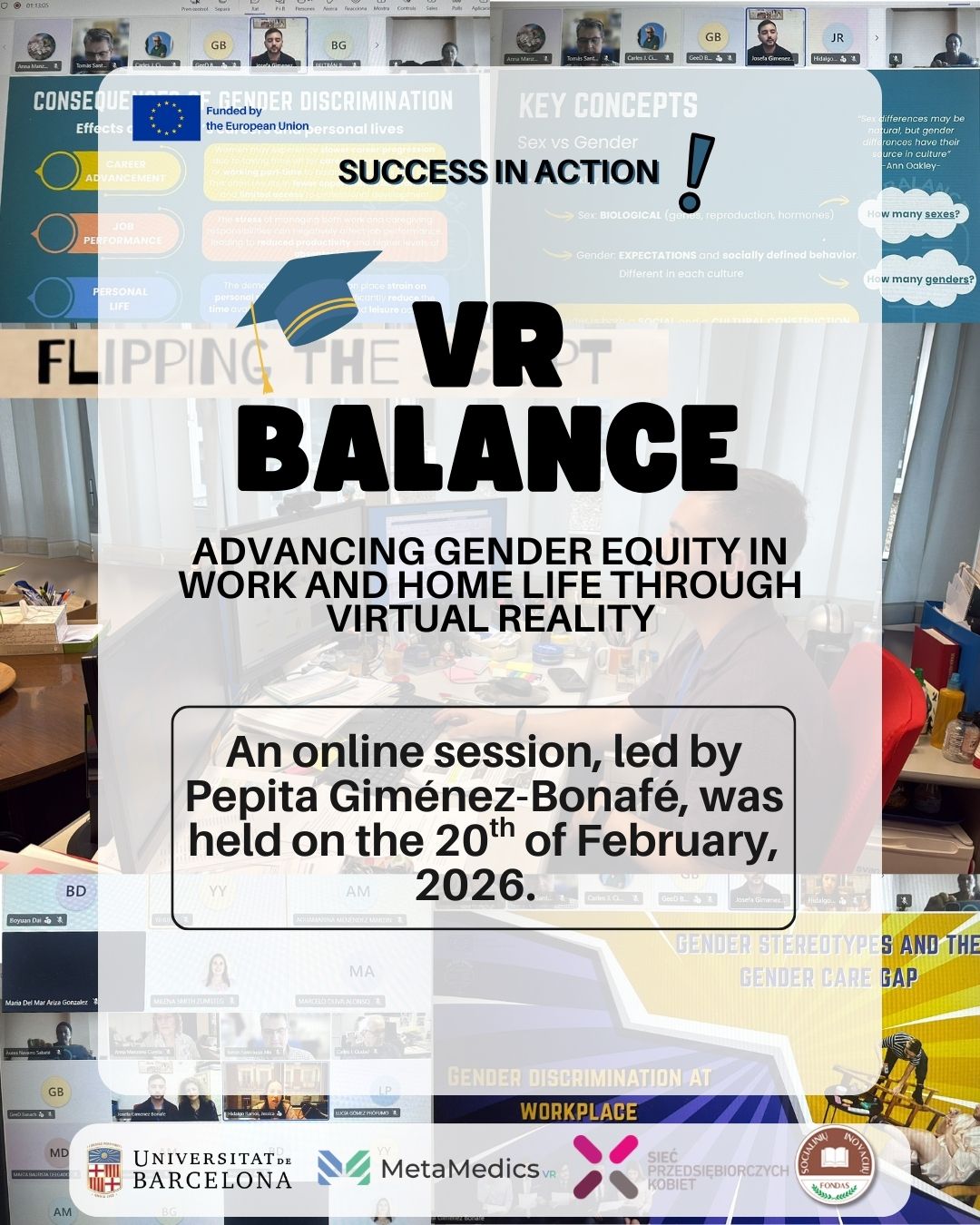
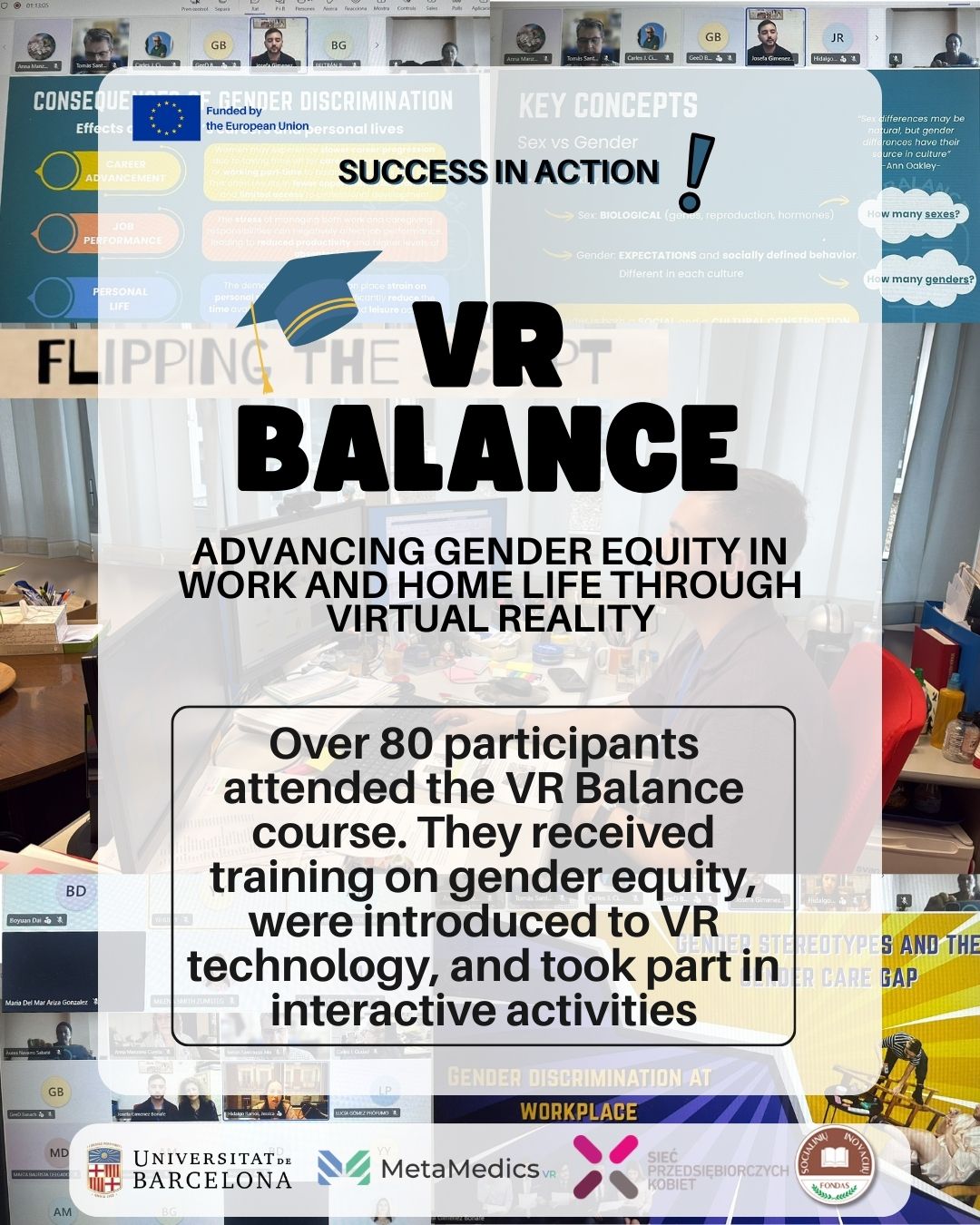
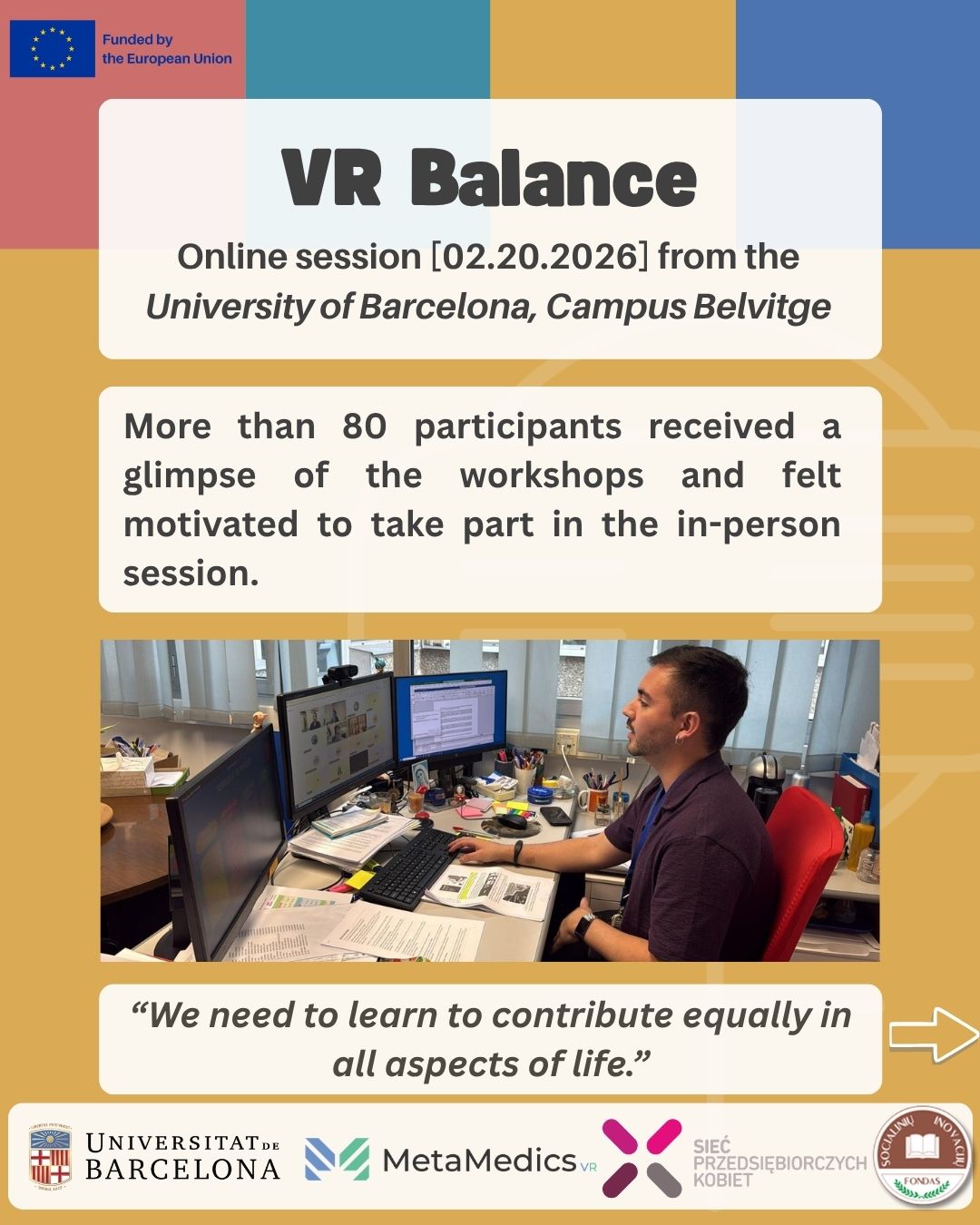
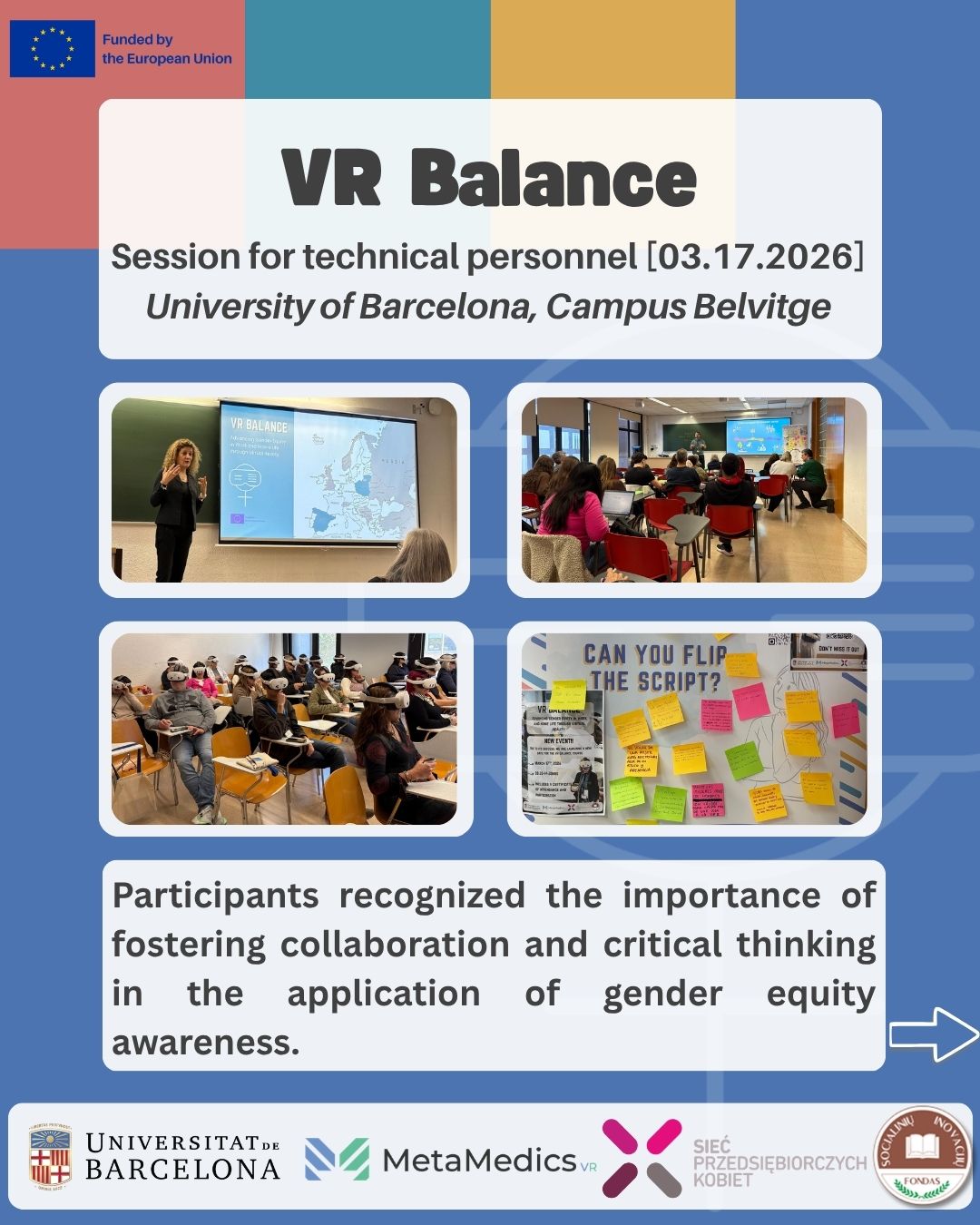
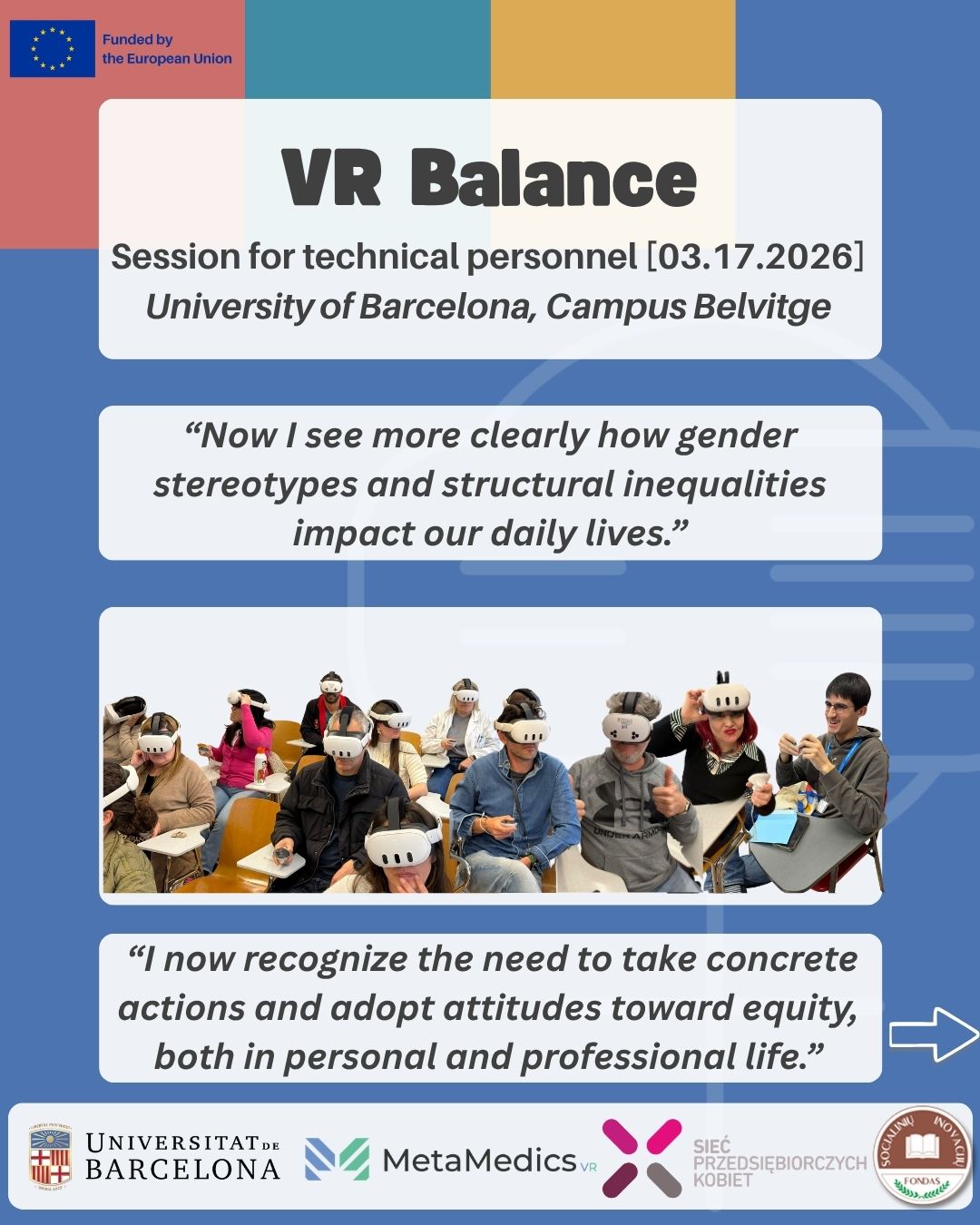
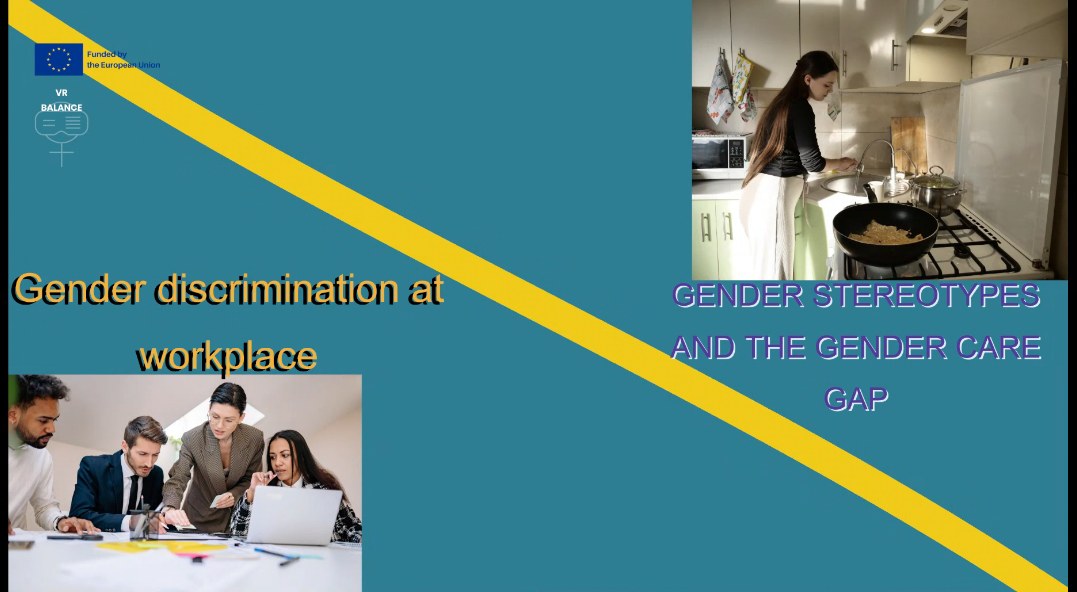
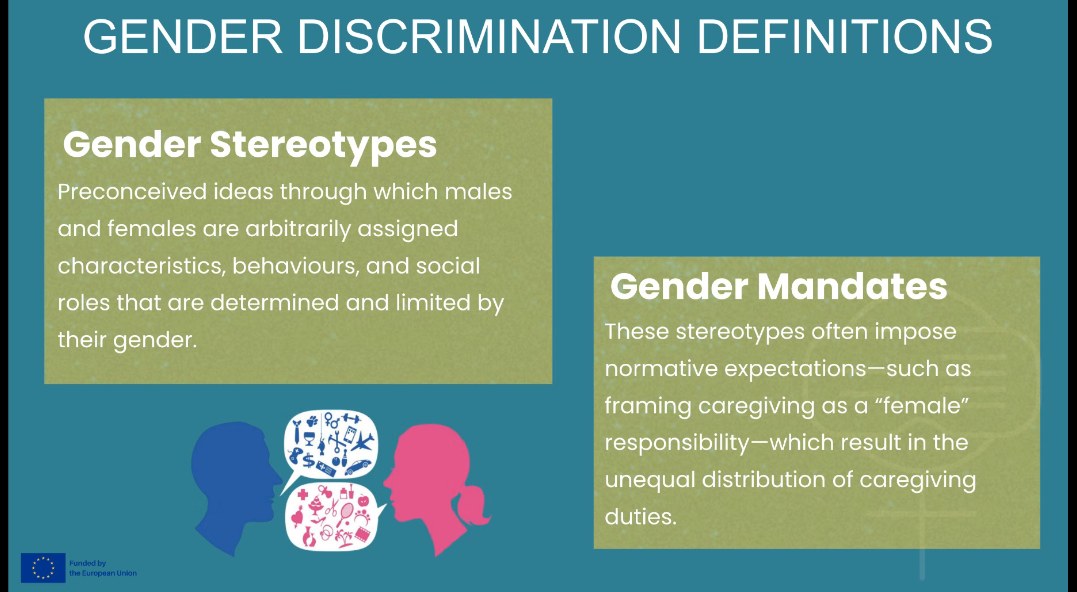
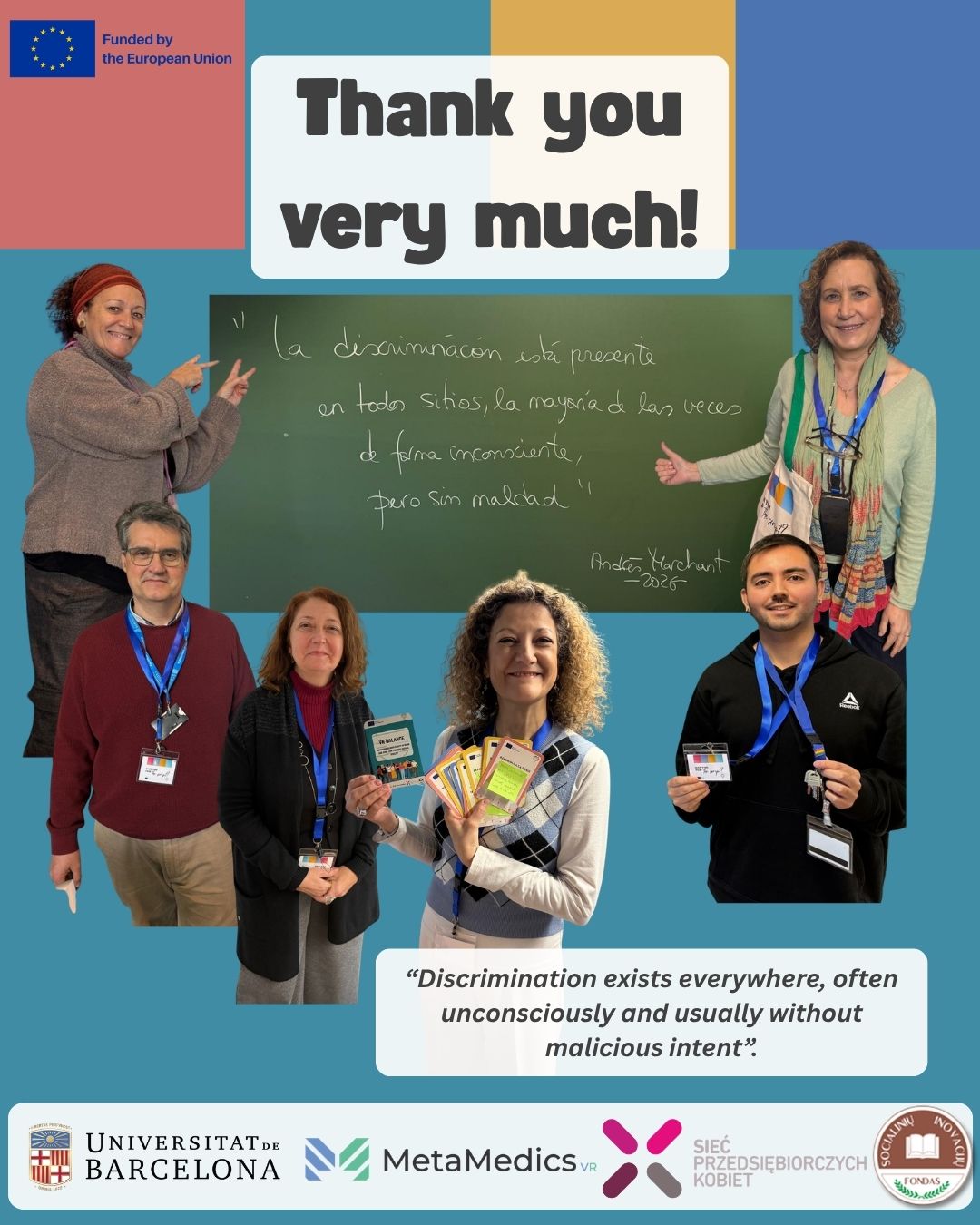



Spreading the word online
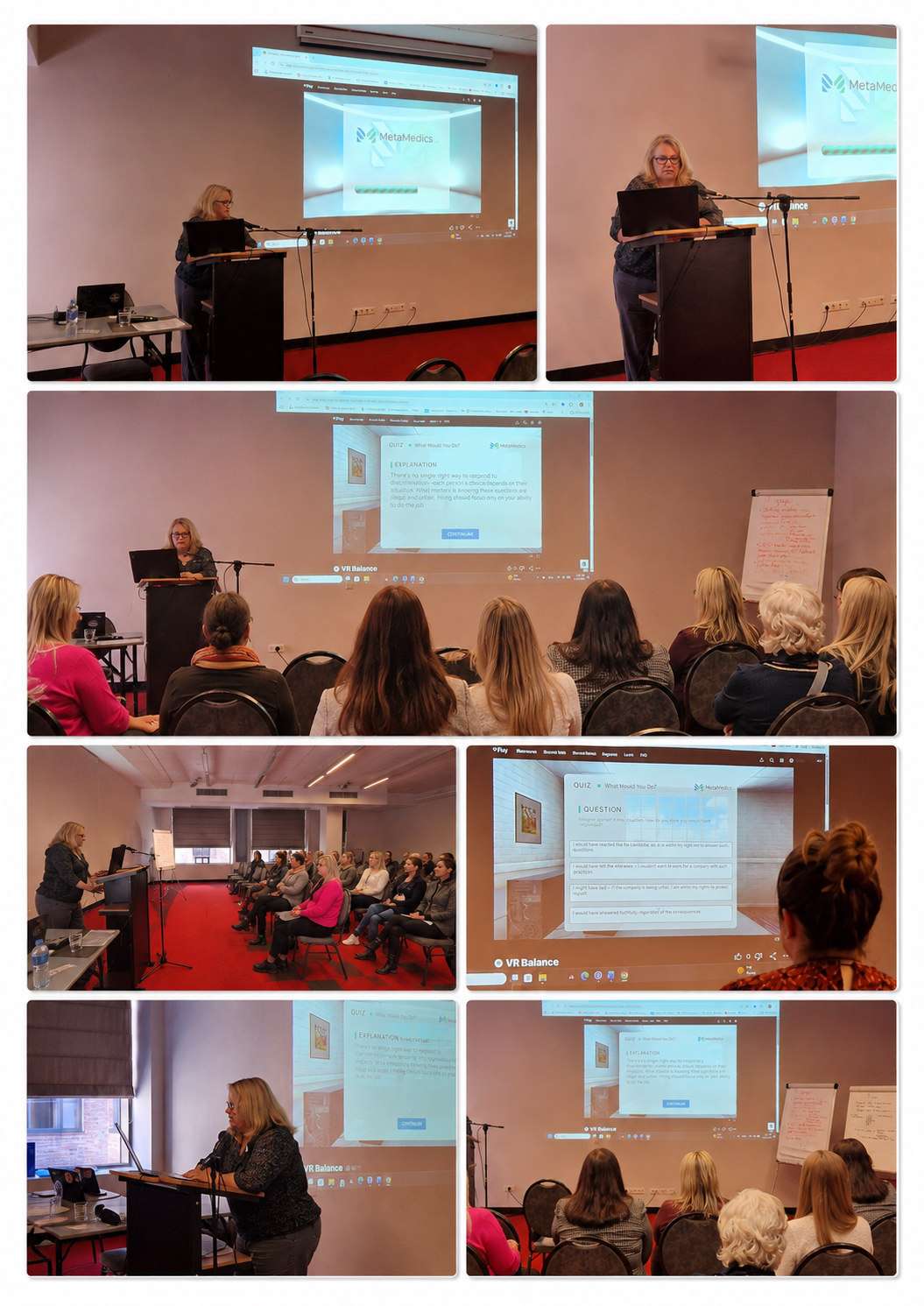
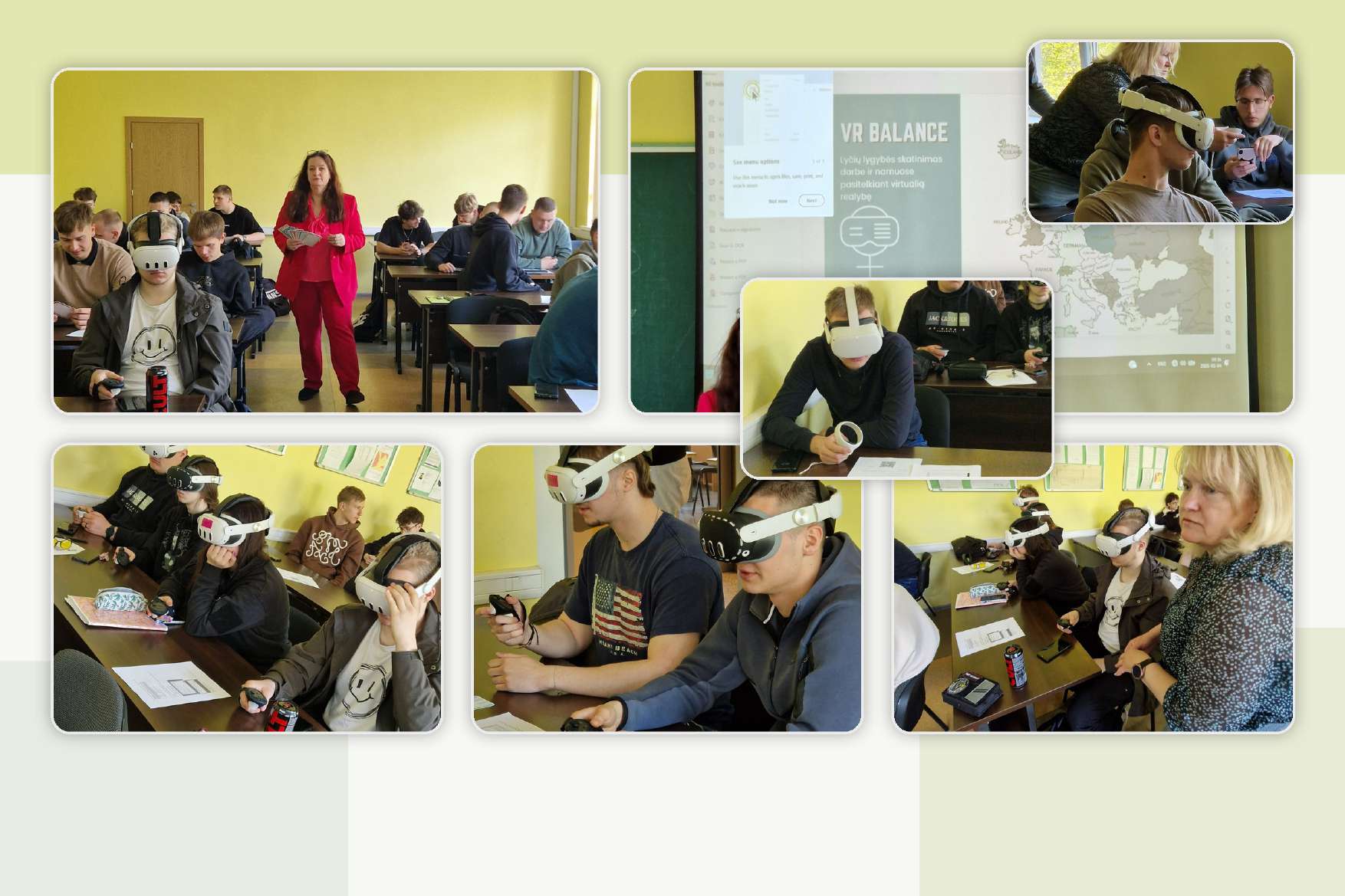
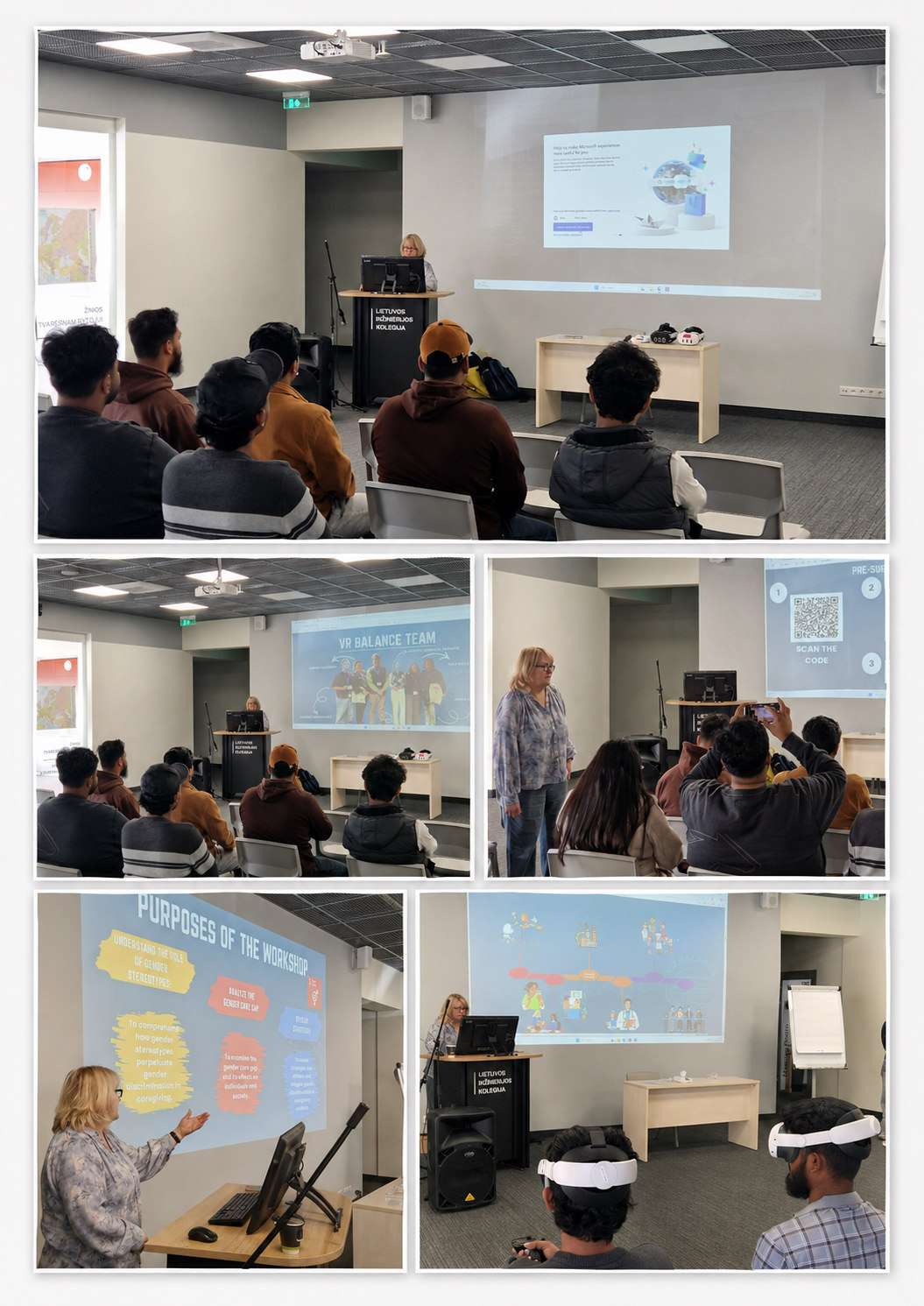
Throughout the project we've shared our events, workshops and results on social media to reach a wider audience. Here are some recent highlights — follow along for the latest, including the run-up to the final conference.
View our recent LinkedIn posts▾