Suicide prevention
Assess risk and respond to suicidal ideation.

Universidad de Málaga (UMA)
AI Platform · University Expert programmes
The context
Beyond its degree, the Medical School at the University of Málaga (UMA) runs University Expert programs — postgraduate specializations — on some of the most demanding situations a clinician ever faces: preventing and responding to suicide, communicating with an aggressive patient, and psychiatry and mental health. In all three, what is really at stake is a conversation.
These are small, focused cohorts — around 30 students per class — exactly the setting where the quality of each rehearsal matters most.

University Expert programs
Assess risk and respond to suicidal ideation.
Communicate and de-escalate a tense encounter.
Handle an acute mental-health crisis.
You can't rehearse a suicide-risk interview on a real patient.
A classmate can read a script, but they cannot convincingly reproduce the agitation, the evasiveness or the sudden escalation a real encounter can take. Even in a class of 30, the old format caps how often anyone can practice: most students go through each scenario once or twice, if at all.
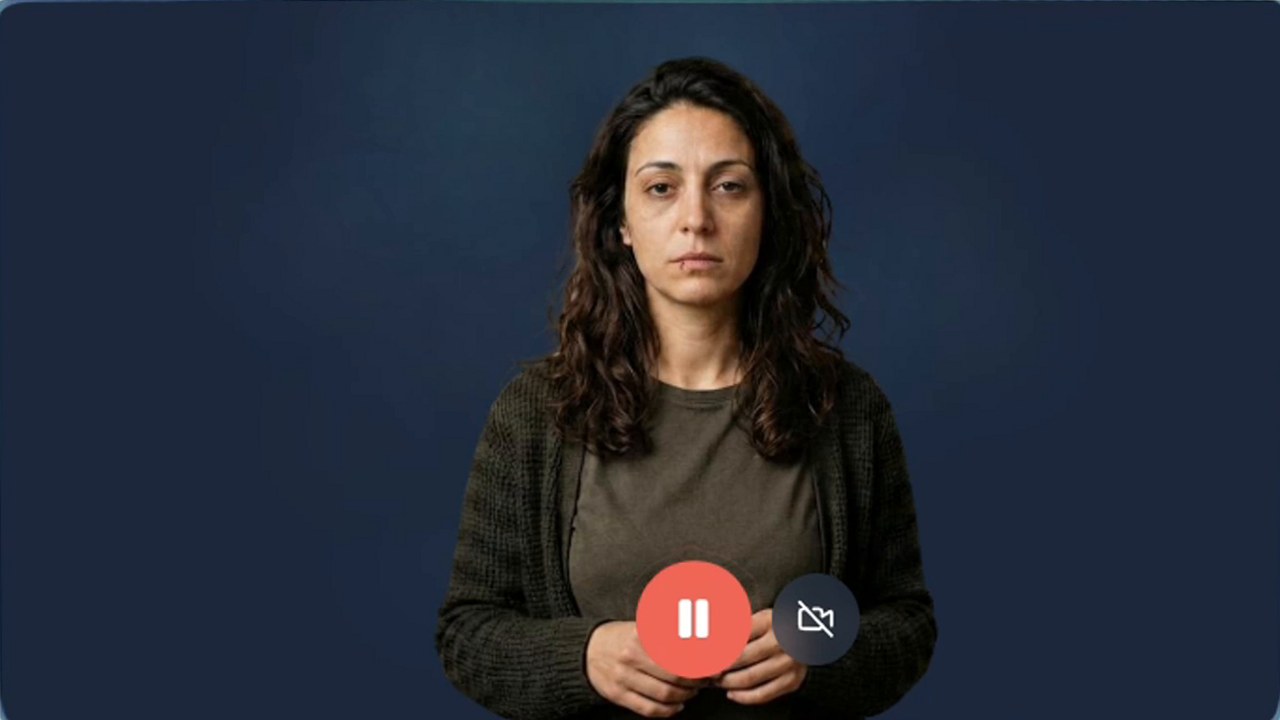
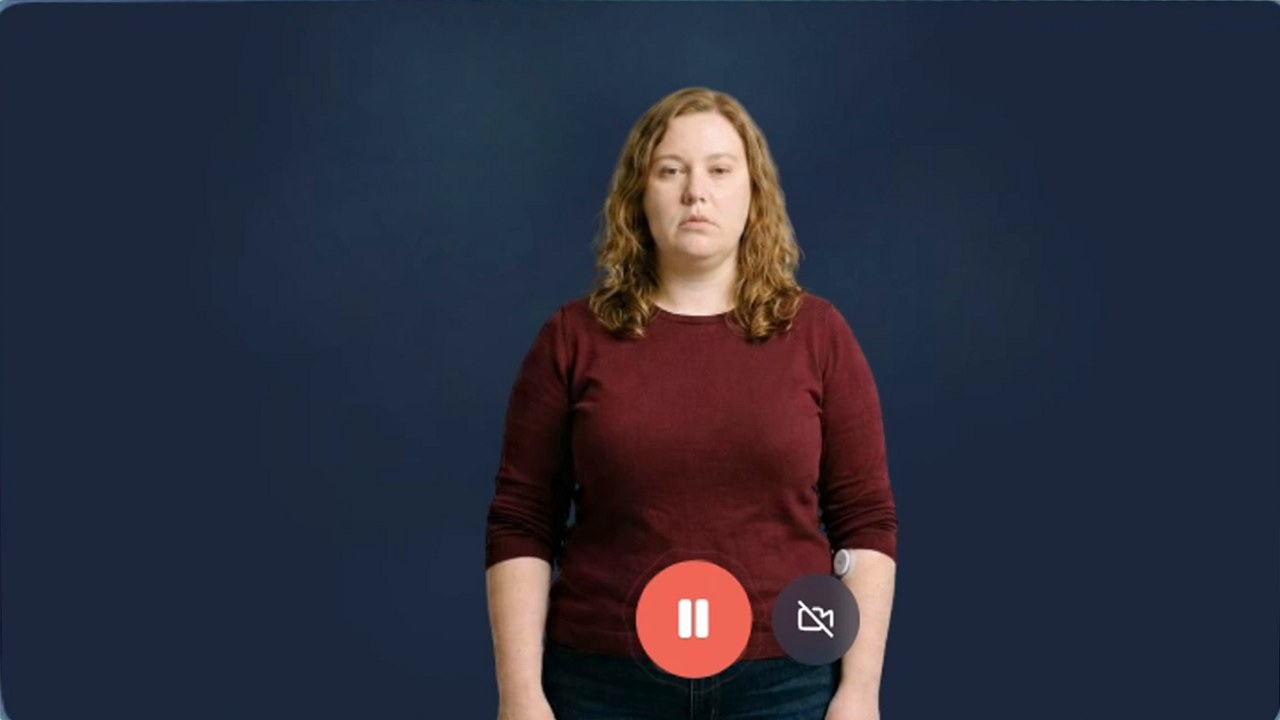
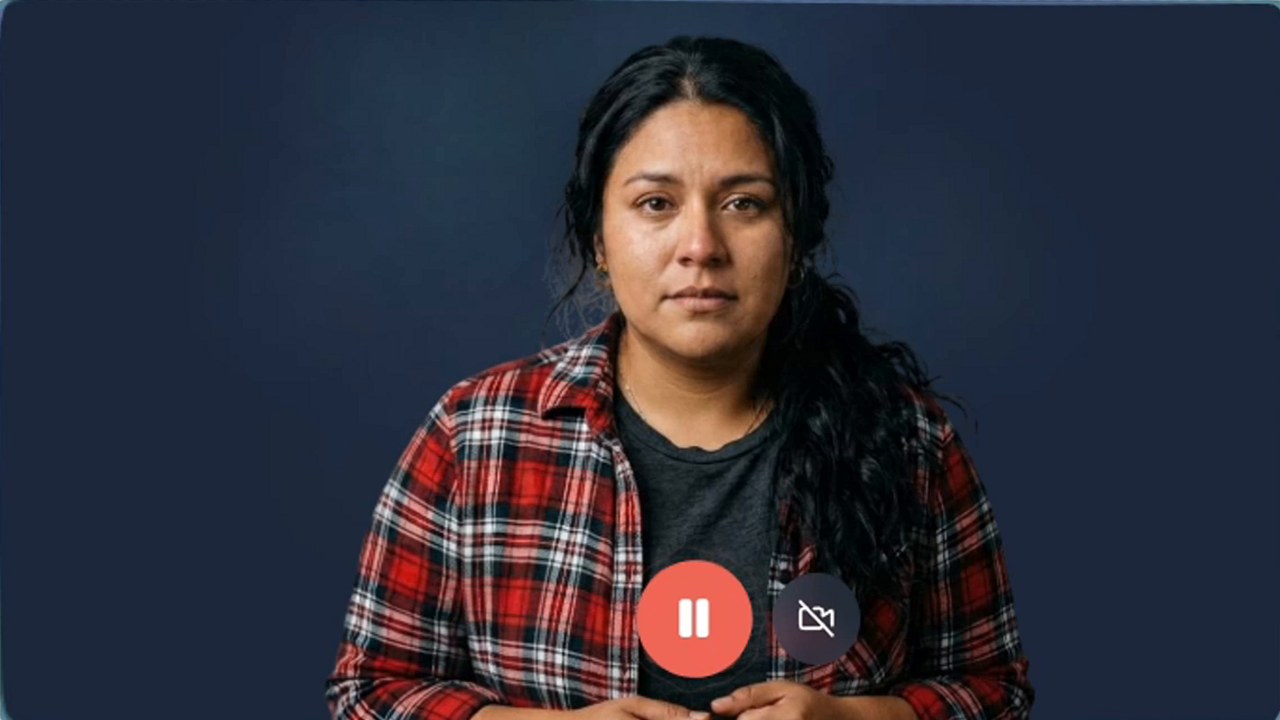
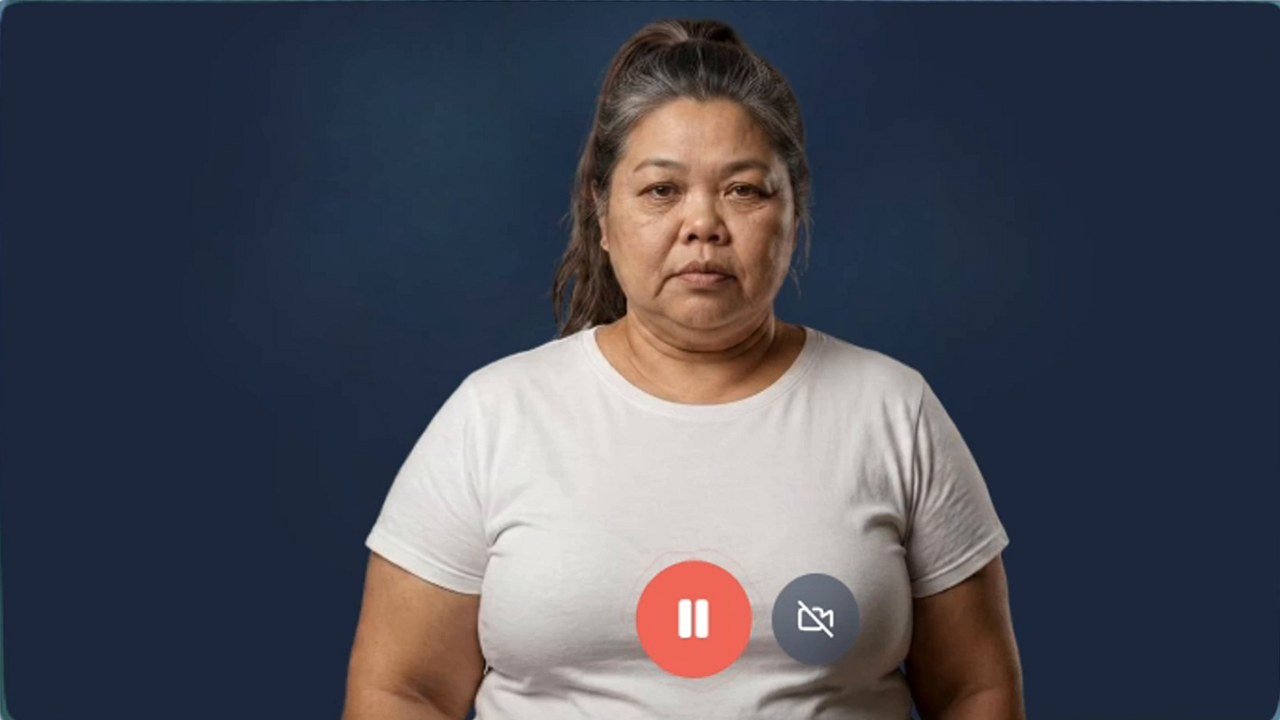
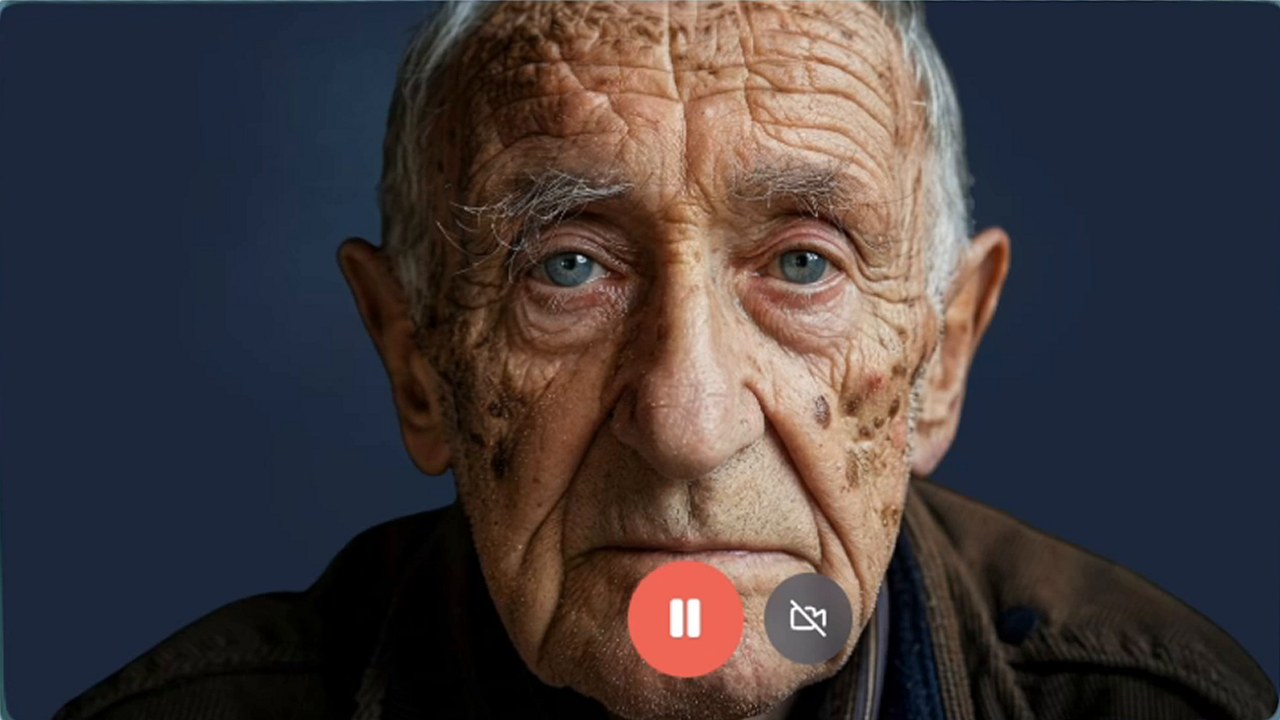
AI patients
The patient expressing suicidal ideation, the agitated or aggressive patient, the person in acute distress. Every student practices each one as many times as they need, and every attempt is assessed automatically and objectively against a rubric.

Why it matters
The UMA case stakes out one of the clearest verticals for conversational AI: mental health and high-risk encounters, where role play is ethically delicate and the conversation is the whole skill. It is also a postgraduate, specialization-level use — proof that the platform belongs not only in undergraduate training but in the programs that prepare clinicians for the situations they fear most.
If you recognize your own situation here, let's talk about how it could work for you.
GET STARTED
Whether you run a faculty, a residency program, a clinical training department, or a continuing education operation — a 20-minute demo, tailored to your context, is the fastest way to know if this fits.
Thanks — we’ve got your request.
We’ll be in touch within one business day.