
Conversational Simulator
For the clinical interview — what the student says, how they communicate, how they manage the emotional dynamic of the encounter.
AI PATIENT SIMULATOR
A full clinical simulation where the student examines a virtual patient, orders diagnostic tests, interprets results, and makes treatment decisions — with consequences that evolve based on every choice. The complete clinical reasoning process, without any risk to real patients.
THE FULL DIAGNOSTIC PROCESS
The case opens with a clinical presentation and an incomplete picture — the way real encounters start.
The student requests the tests they think matter and receives results that reflect the patient's actual clinical state.
Order the right tests and the picture clarifies. Miss a key finding and the case evolves accordingly.
Every treatment decision changes the patient's condition in real time — including the wrong ones.
THE EXPERIENCE
The student begins with a clinical presentation and an incomplete picture — the way real encounters start. They explore systematically, request the tests they think matter, and receive results that reflect the patient's actual clinical state. Order the right tests and the picture clarifies. Miss a key finding and the case evolves accordingly.
The virtual patient's condition changes in real time based on every clinical decision. Prescribe the wrong medication and the patient's response reflects it. Delay a critical intervention and the timeline shifts. The simulation mirrors the consequence structure of real clinical practice — in a safe environment where getting it wrong is part of learning.
VIRTUAL PATIENTS
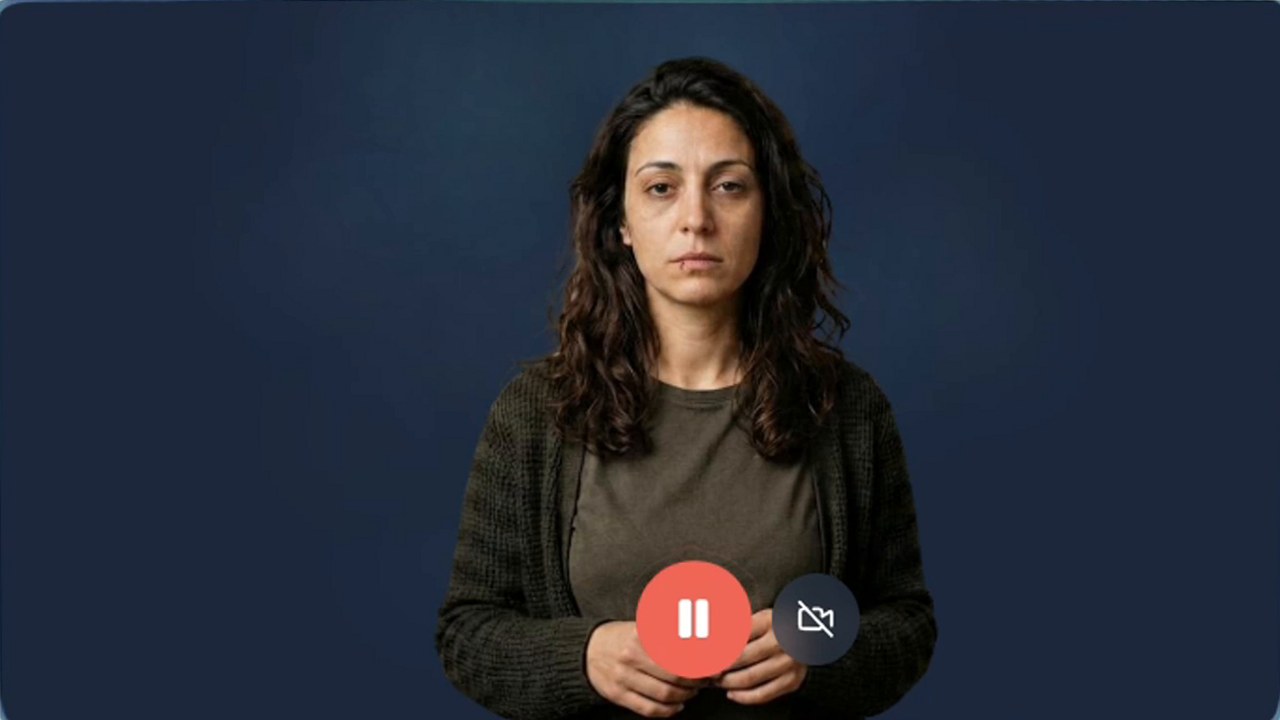
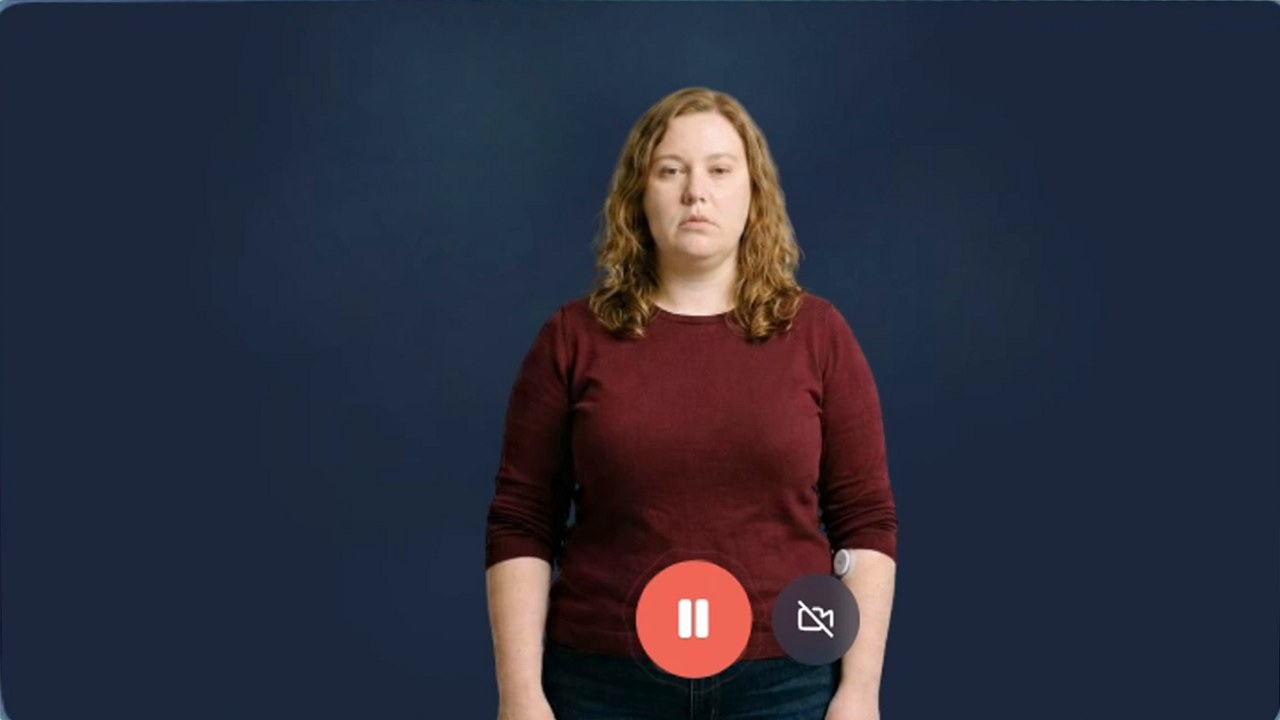
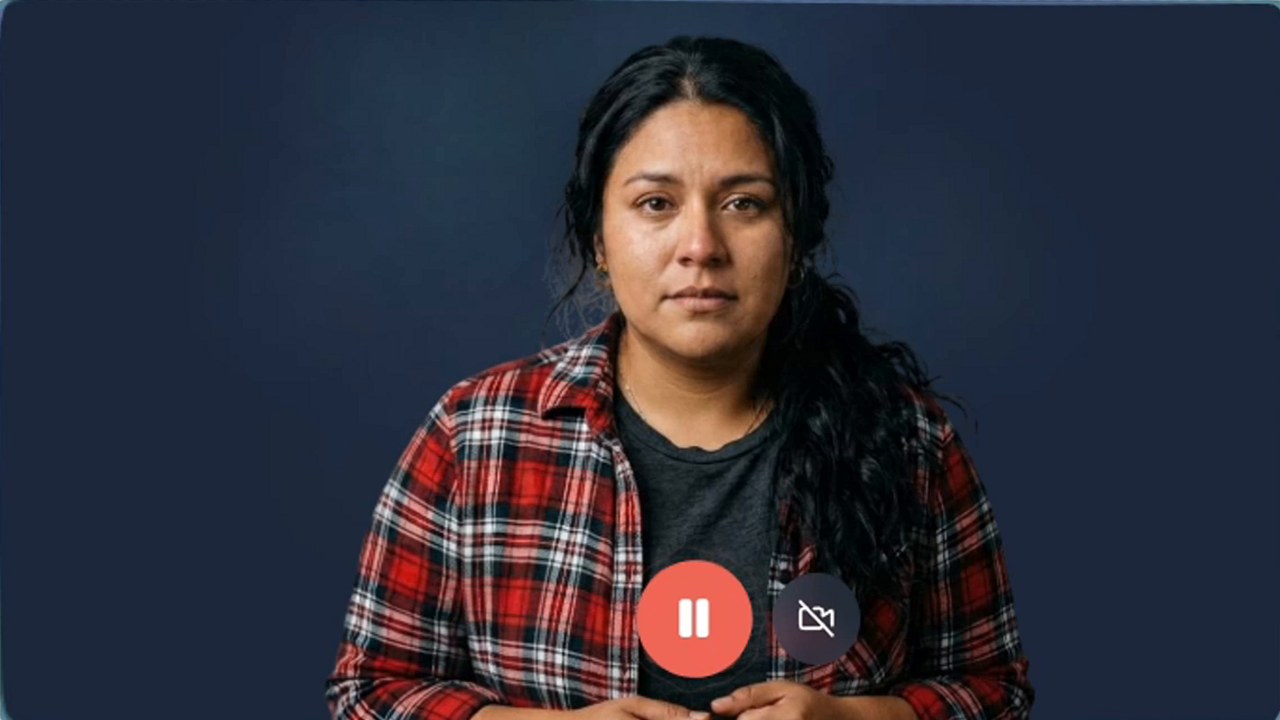
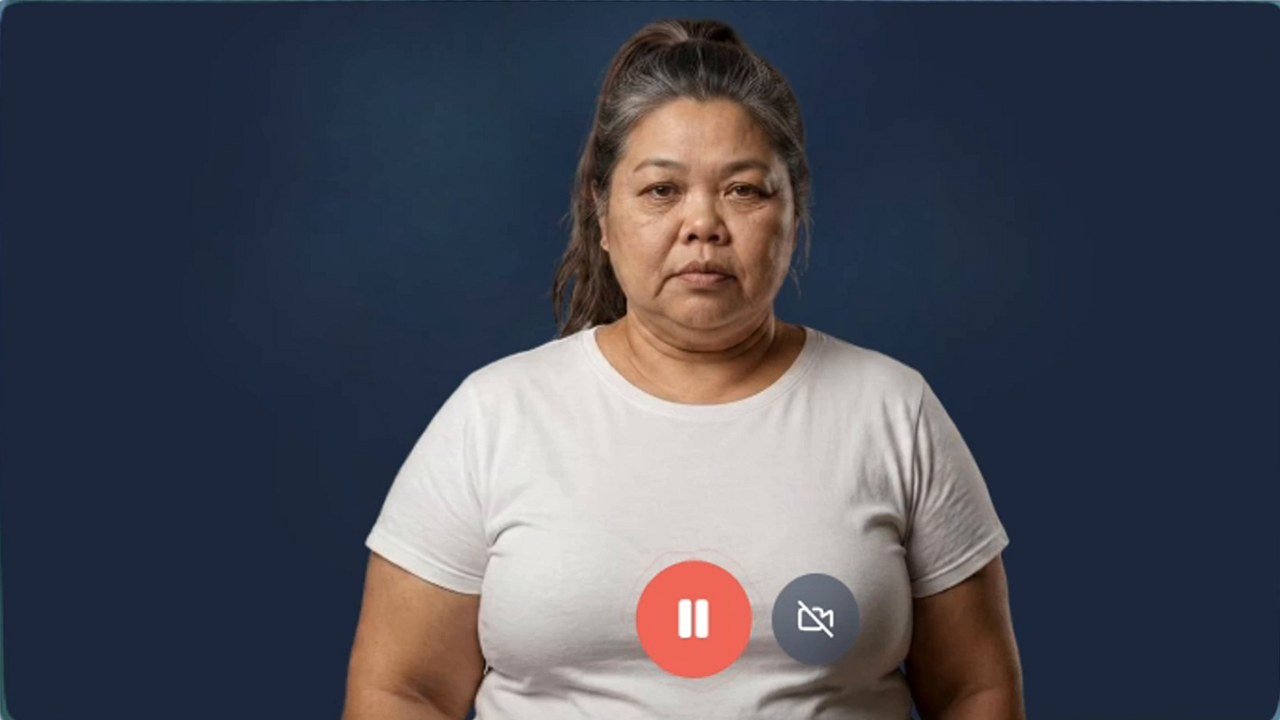
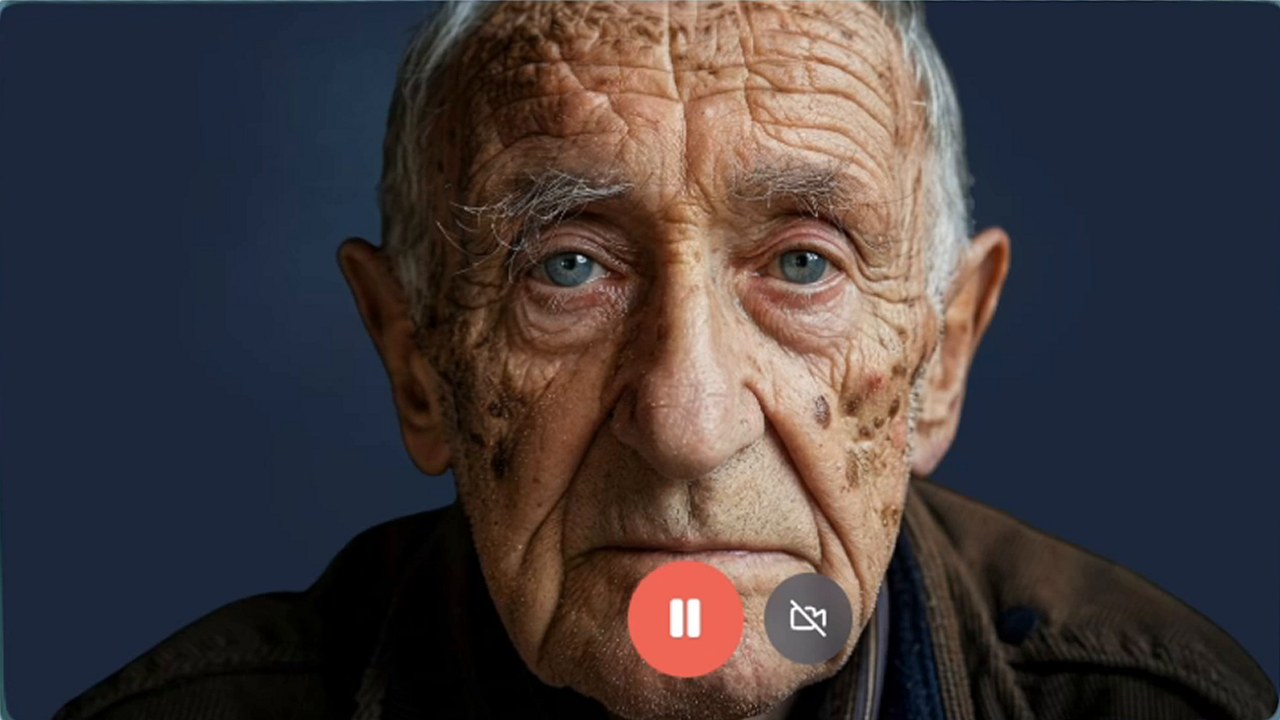
Real AI patients from the platform: the virtual patient simulator lets an educator define each one with their own history, personality, and clinical picture.

COMPLEMENTARY, NOT ALTERNATIVES
For the clinical interview — what the student says, how they communicate, how they manage the emotional dynamic of the encounter.
For clinical reasoning — what the student examines, orders, interprets, and decides.
The same patient can be used in both formats within the same course.
COMMON QUESTIONS
An AI patient simulator is software in which a student works through a full clinical encounter with a virtual patient: they examine the patient, order diagnostic tests, interpret the results and make treatment decisions. In the MetaMedicsVR AI Platform the patient's condition changes in real time with every decision, including the wrong ones, so students practice clinical reasoning without any risk to real patients.
Differential diagnosis, internal medicine and emergency scenarios, pharmacology and prescribing decisions, advanced nursing assessment, clinical reasoning under uncertainty, and radiology and lab interpretation.
The Conversational Simulator trains the clinical interview: what the student says, how they communicate and how they manage the emotional side of the encounter. The AI Patient Simulator trains clinical reasoning: what the student examines, orders, interprets and decides. They are complementary, and the same patient can be used in both formats within the same course.
The educator defines each patient's history, personality and clinical picture with the built-in authoring tool, with no coding. Programs that want a faster start can use MetaMedicsVR's pre-built library, developed with clinical and academic partners, from day one.
No. The AI Platform is web-based: it runs in any browser, on any device, with no hardware requirements. VR headsets are a separate add-on for specific immersive scenarios.
ONE PLATFORM, SIX FORMATS
From the blog
 Simulation & VR
 Virtual patient simulation lets students hold real clinical conversations with an AI that plays the patient — and reason out loud, again and again, before they ever meet a real one. Here is what it is, how it works, and how to evaluate it.
 Health education
 In a 2025 survey, 92% of the nursing students polled used AI. What it does in nursing, whether it replaces nurses, and which parts of training it changes.
 Practical training
 Non-therapeutic communication, reply by reply: the well-meant phrases that shut a patient down (“you'll be fine”), what the patient hears, and how to unlearn them.
GET STARTED
Whether you run a faculty, a residency program, a clinical training department, or a continuing education operation — a 20-minute demo, tailored to your context, is the fastest way to know if this fits.
Thanks — we’ve got your request.
We’ll be in touch within one business day.